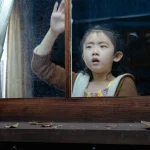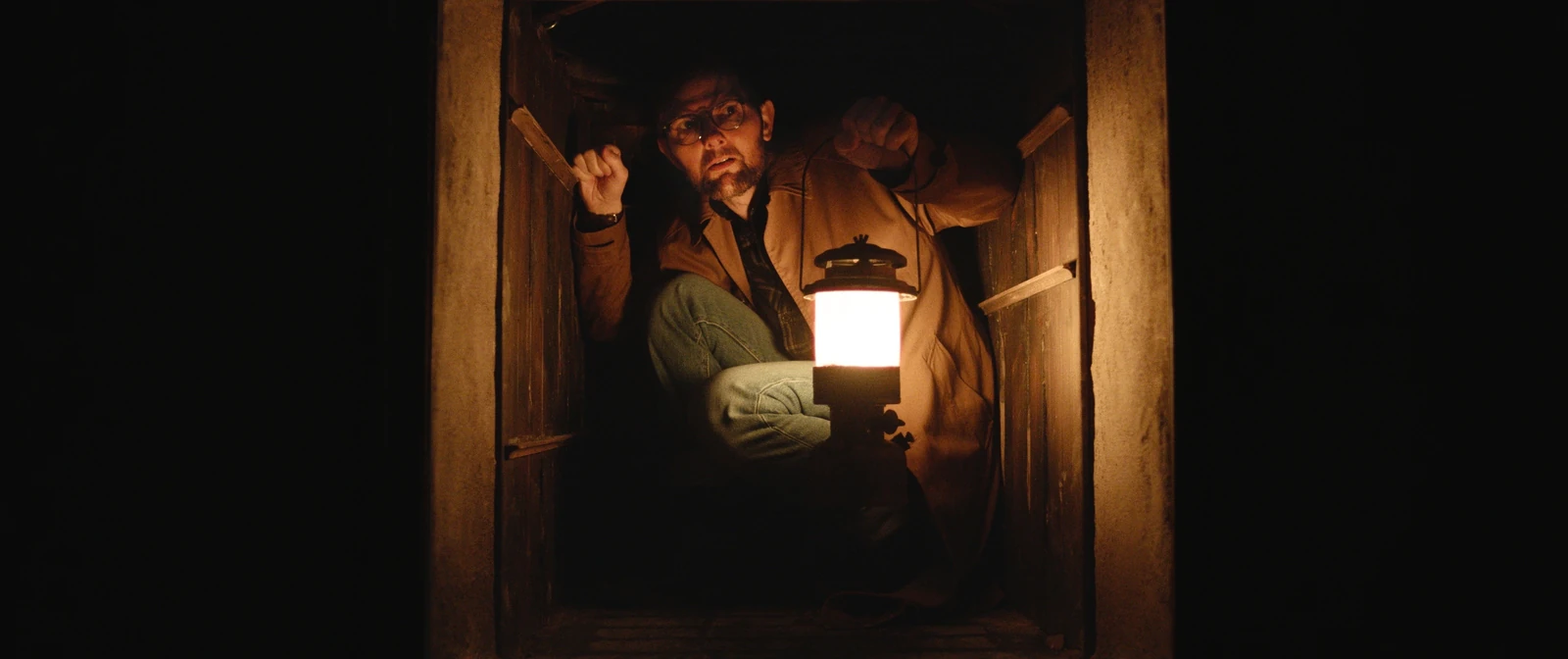
In Hokum’s ending, Ohm Bauman changes his novel as he begins to forgive himself for his mother’s death. The author played by Adam Scott survives the haunted hotel with a different understanding of the childhood accident that killed her. Back at his keyboard, he changes the fate of the boy in his Conquistador story. The adult who was prepared to sacrifice the child stops; the child then refuses another act of violence. Their refusal to sacrifice each other gives Ohm a way to express a change he has struggled to put into words.
The book matters because it gives us something more specific than a survivor saying he has learned a lesson. We can compare what Ohm wanted to publish before Ireland with what he writes afterward. His revised chapter also needs to be read alongside the hospital visit from Alby, the hotel’s bellhop and an aspiring writer. Ohm’s fiction becomes gentler before his manners become especially pleasant.
The Bottle Makes the Boy Expendable
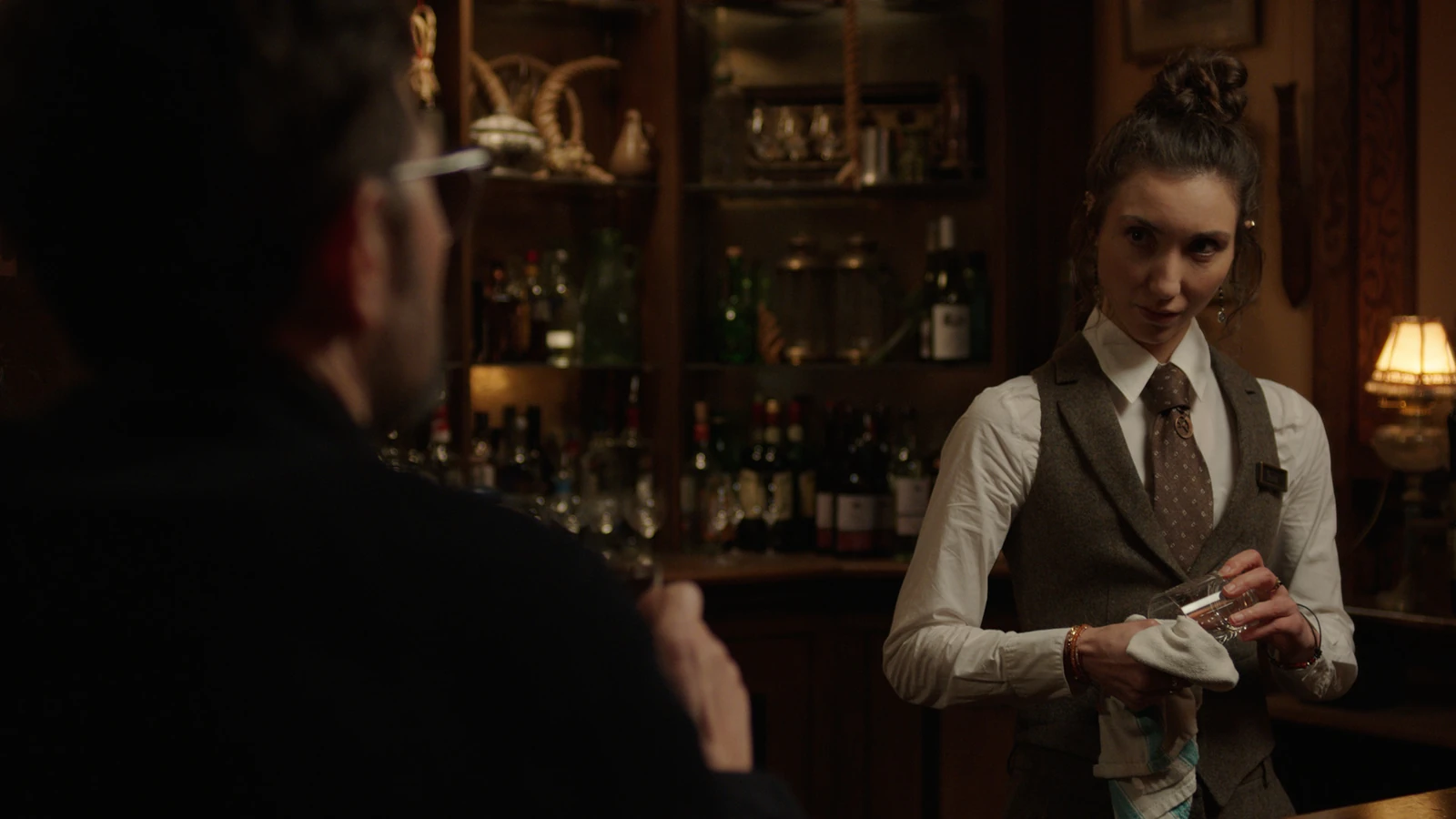
Ohm’s original ending treats the boy’s life as the price of opening a bottle. A conquistador and his young companion are stranded in the desert with a map trapped inside it. With no hard surface available to break the glass, the man considers using the child’s skull. When Ohm describes this ending to Fiona, the hotel bartender, she objects to its bleakness. He regards that bleakness as a virtue.
That is a revealing choice for a writer. Ohm invents the predicament and decides which solutions his characters can have. The shortage of a rock makes an appalling act look practical, almost unavoidable. The ending he later writes changes that judgment. He can keep the desert, the thirst, and the stubborn bottle while allowing his characters to refuse the violence he once planned for them.
His Mother’s Forgiveness Gives Him a Reason to Leave
Ohm’s guilt comes from accidentally shooting his mother when he was a child. His father’s subsequent drinking and death left him with another loss attached to the same event. The hotel forces that history back into his present. In his encounter with his mother’s ghost, he can acknowledge what happened and receive forgiveness instead of treating his survival as another wrong.
His novel offers a useful connection to that history. Inverse’s interview with Scott and writer-director Damian McCarthy discusses the conquistador as a stand-in for Ohm’s father and links the bottle to his alcoholism. Read in that context, the threatened child makes the story a harsh place for Ohm’s younger self to inhabit. Rewriting it lets him imagine a relationship between an adult and a child that can continue after fear and failure.
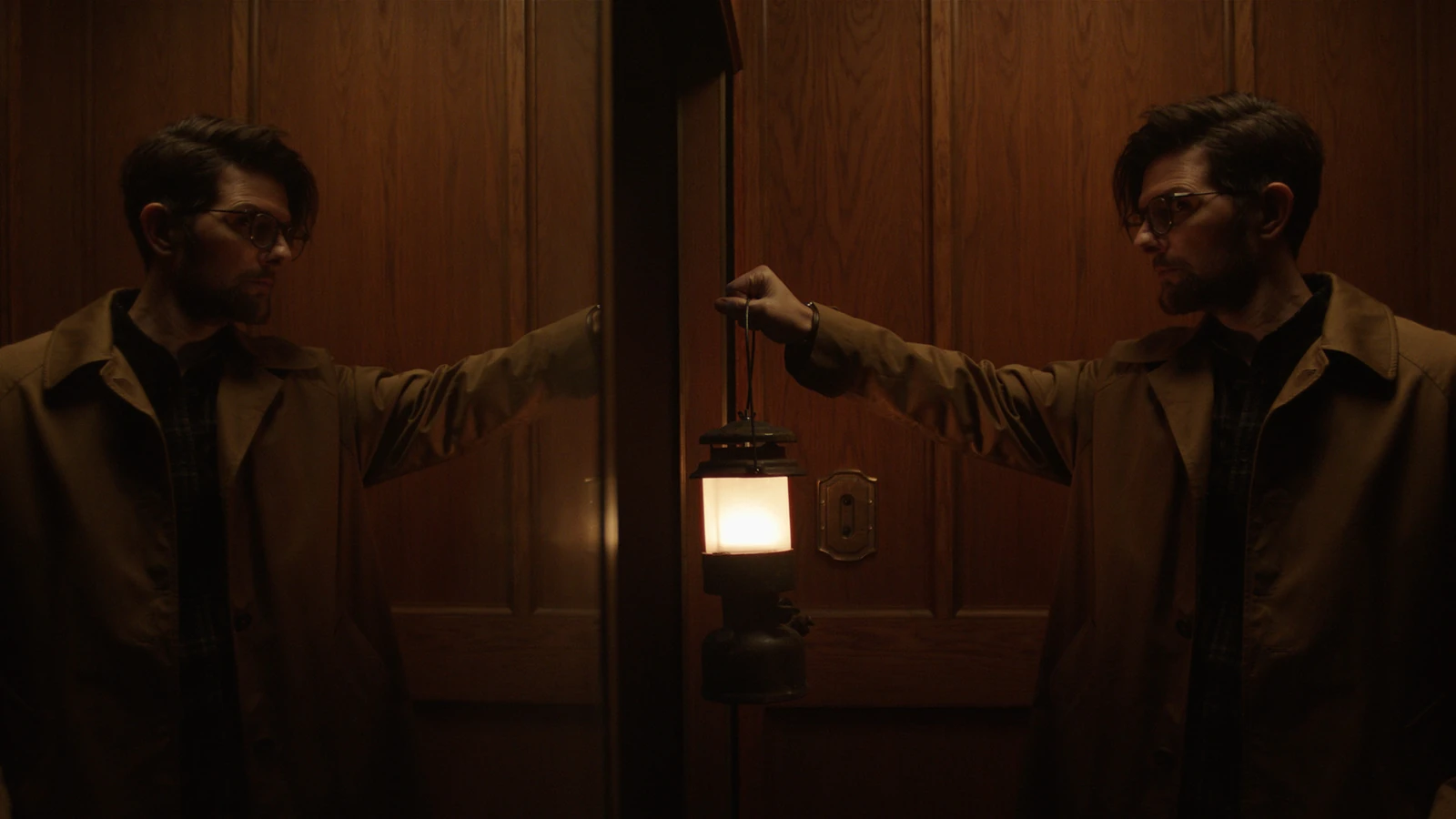
The Boy Refuses the Second Sacrifice
The revised ending does more than reverse who gets hurt. The conquistador offers his own head as a surface for breaking the bottle. The boy refuses, throws the bottle away, and embraces him. If the child had simply accepted the offer, Ohm would still have written a solution that demanded a death. Giving the boy a choice allows the story to move beyond that bargain.
An animal skull near the discarded bottle adds a possible way forward. McCarthy points to it in the Inverse interview as a sign of hope. It does not show the pair reaching home or finding treasure. It suggests that refusing to kill has not exhausted their options. The change is in what Ohm will let his characters try before declaring their situation hopeless.
McCarthy reconsidered his own ending, too. He tells Inverse that early scripts left Ohm unable to escape the basement. The finished film lets him live to revise the book. Those are separate changes: the filmmaker spares his protagonist, and the protagonist uses the time he has gained to write something less cruel. Fiona saved his life earlier in the film, and he later finds her dead in the hotel. Neither revision changes her fate.
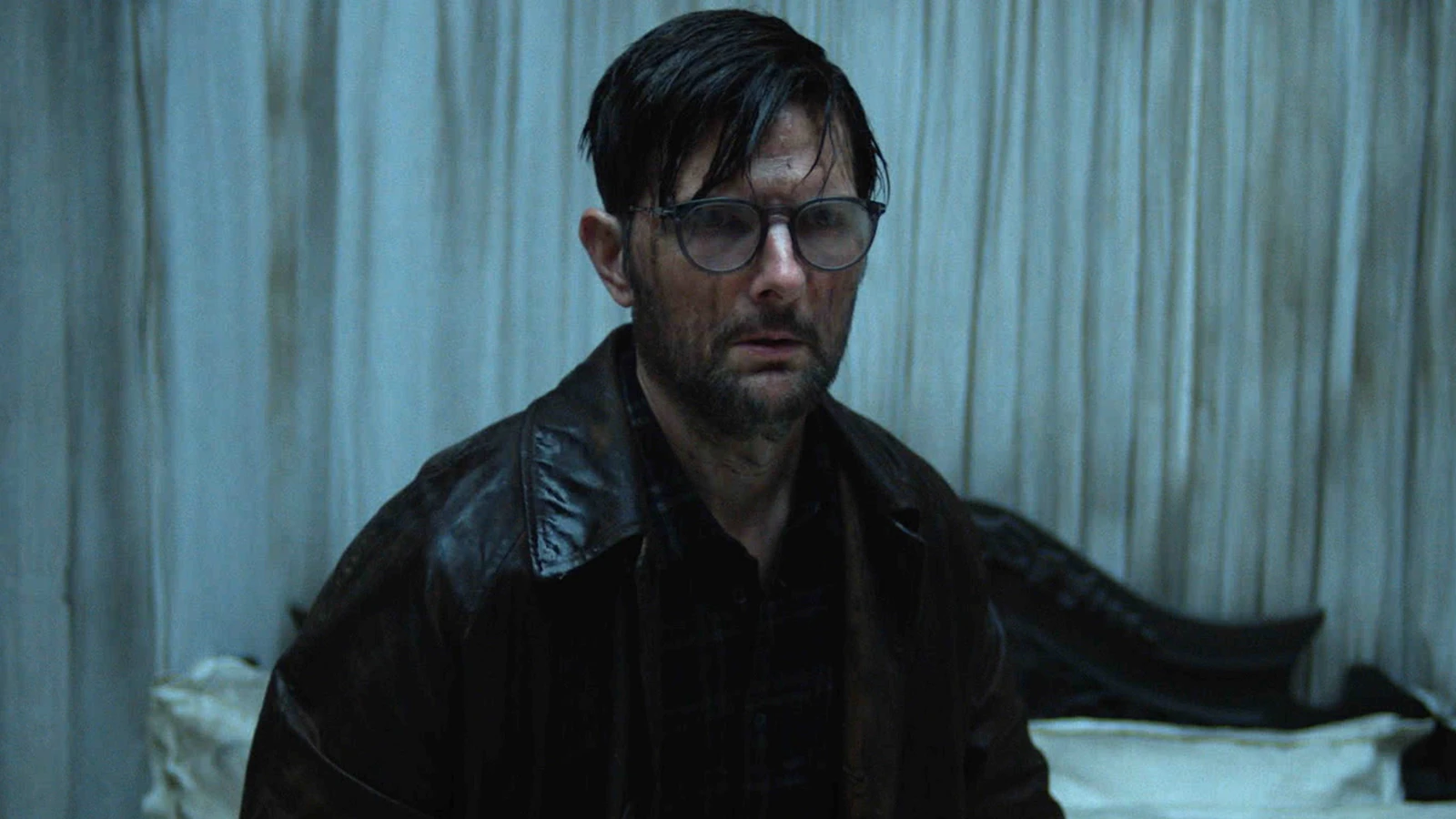
Alby Meets a Less Dismissive Ohm
Alby’s hospital visit keeps Ohm’s change from becoming a complete personality makeover. McCarthy explains in his Slant interview that he adjusted the scene to make Ohm more welcoming while retaining some of his difficult character. The director describes working away from earlier versions in which Ohm remained especially cruel to the bellhop. Surviving has lowered his defenses, but it has not supplied him with a cheerful new identity.
The novel is where Ohm makes his clearest change. A boy who was about to become a disposable means to an adult’s goal now gets to refuse that goal’s cost. Ohm finishes his novel by giving the child an answer he needed himself: the story can continue without either of them having to die.