Voicemails for Isabelle arrived on Netflix on June 19 and shot straight to the top of the movie chart, which is the kind of thing that happens when a rom-com has a hook this clean. A grieving woman keeps leaving voicemails for her dead sister, not knowing the number has been reassigned to a stranger who slowly falls for the voice on the other end. It sounds like a romance. What it actually is, underneath, is a film about loss wearing a rom-com’s clothes, and that is both its strength and its strangeness.
What Voicemails for Isabelle Is About
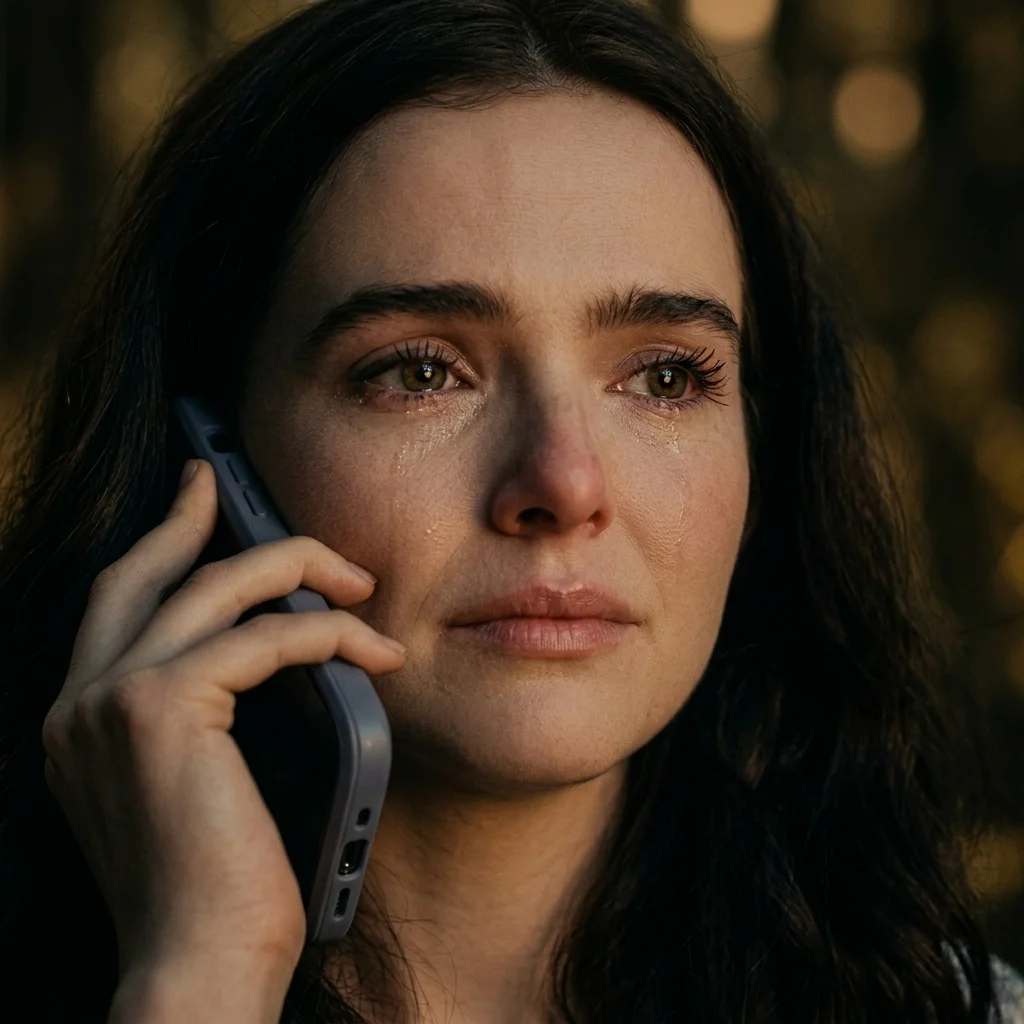
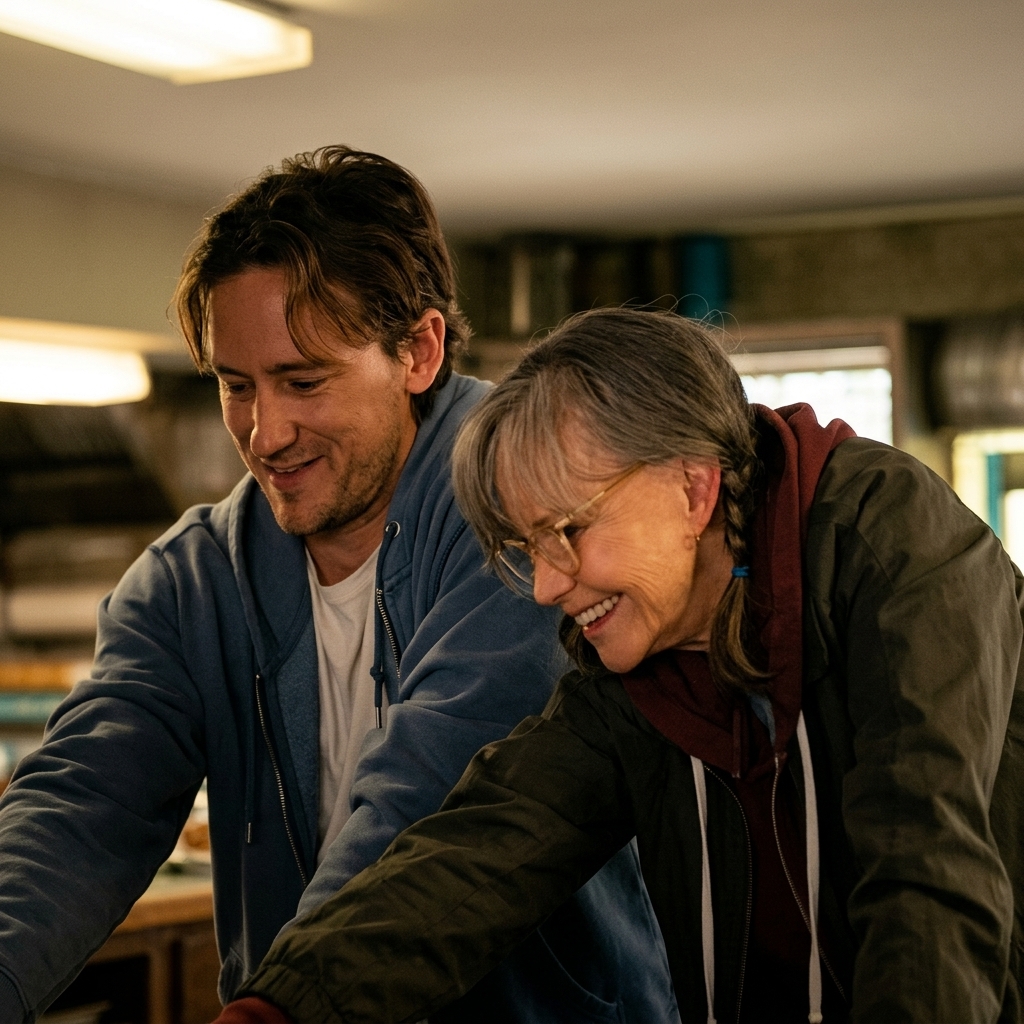
Jill (Zoey Deutch) is an aspiring baker in San Francisco who has always processed her life by talking to her younger sister Isabelle, or Izzy (Ciara Bravo), back home in Austin. The two are close in the way only siblings can be, trading voicemails like a private language. When Izzy, who has cystic fibrosis, dies, Jill cannot stop calling the number just to hear the outgoing message and leave one more. The trouble, and the plot, is that the number now belongs to Wes (Nick Robinson), an Austin real estate agent who starts listening to these raw, unguarded messages from a woman he has never met.
The Premise Is a Little Uneasy, and the Film Half-Knows It
Let us be honest about the setup, because the movie cannot quite escape it. A man falling for a woman through her private grief messages, messages never meant for him, is not the cutest meet-cute. There is something faintly unsettling about Wes building affection out of Jill’s most vulnerable moments without her knowledge, and several critics flagged exactly that. The film is at its weakest when it leans on the romance and asks you to find it swoony, because you cannot fully forget how he came to know her. It works much better when it treats the premise as what it really is: a story about how grief makes us reach for connection in strange, even unwise, ways.
Why It Works Anyway: The Grief, Not the Romance
The part of this film that genuinely lands has almost nothing to do with the love story. It is the sisters. The relationship between Jill and Izzy, told in fragments and flashbacks and those accumulated voicemails, is the most credible and affecting thing in the script, and it is what gives the whole movie its earnest weight. Director Leah McKendrick handles the tonal tightrope better than most would, sliding between broad comedy, tender romance, and real pathos without the gears grinding too loudly. When the film stops trying to be cute and simply sits with a woman who is not ready to delete her sister’s number, it becomes quietly moving.
Zoey Deutch Carries It
This is, start to finish, Zoey Deutch’s movie. She has always been a sharp comedian, but here she is asked to carry grief as the load-bearing emotion, and she sells it. You believe the weight Jill is dragging around. The script leans heavily on her, sometimes too heavily, handing her long monologues that occasionally feel like more than even a strong performer should have to lift alone. But the movie would not function without her, and the moments that work, work because she makes the sorrow specific rather than sentimental. Nick Robinson is warm and likeable, and the supporting bench, including Nick Offerman, adds texture, but this is a one-woman rescue mission and she completes it.
Should You Watch It?
If you come expecting a frothy rom-com, you may be surprised by how much it wants to talk about death, and if you come for a serious grief drama, the rom-com machinery may feel like it is getting in the way. The honest truth is that it is neither thing cleanly, and your mileage will depend on how much you forgive the uneasy premise for the sake of the feeling underneath it. But it is worth a watch, mostly for Deutch and for the ache of those sisters. Skip it if you want romance that makes sense on paper. Press play if you have ever kept a voicemail from someone you lost just to hear their voice again. This one understands that impulse better than it understands love.