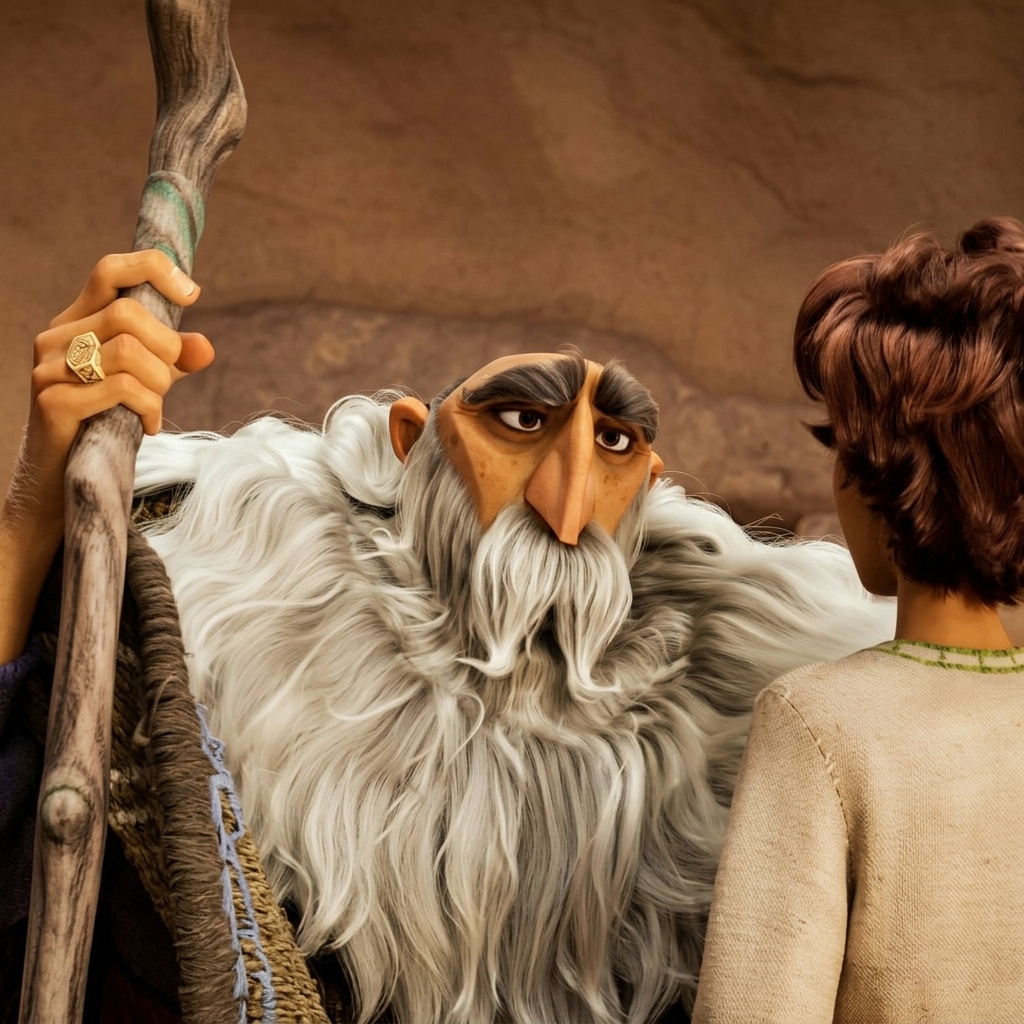
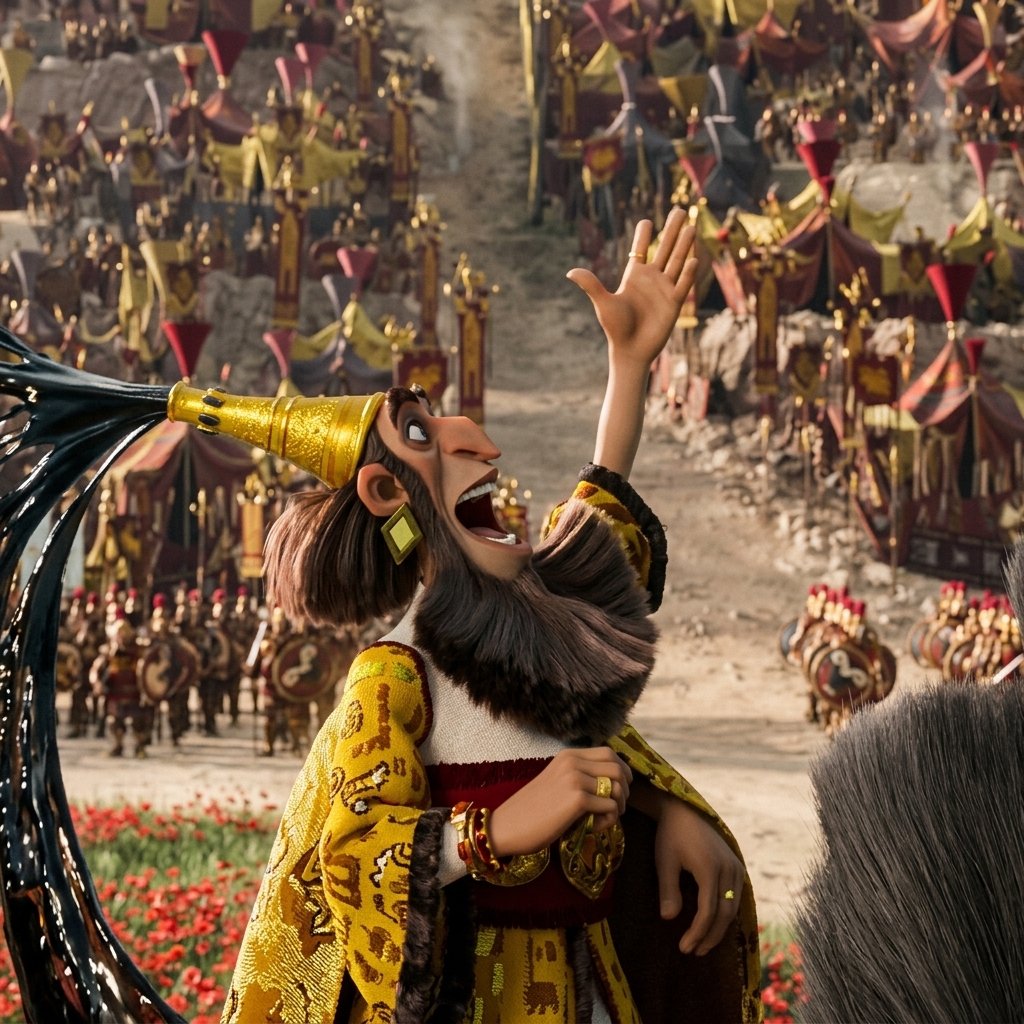
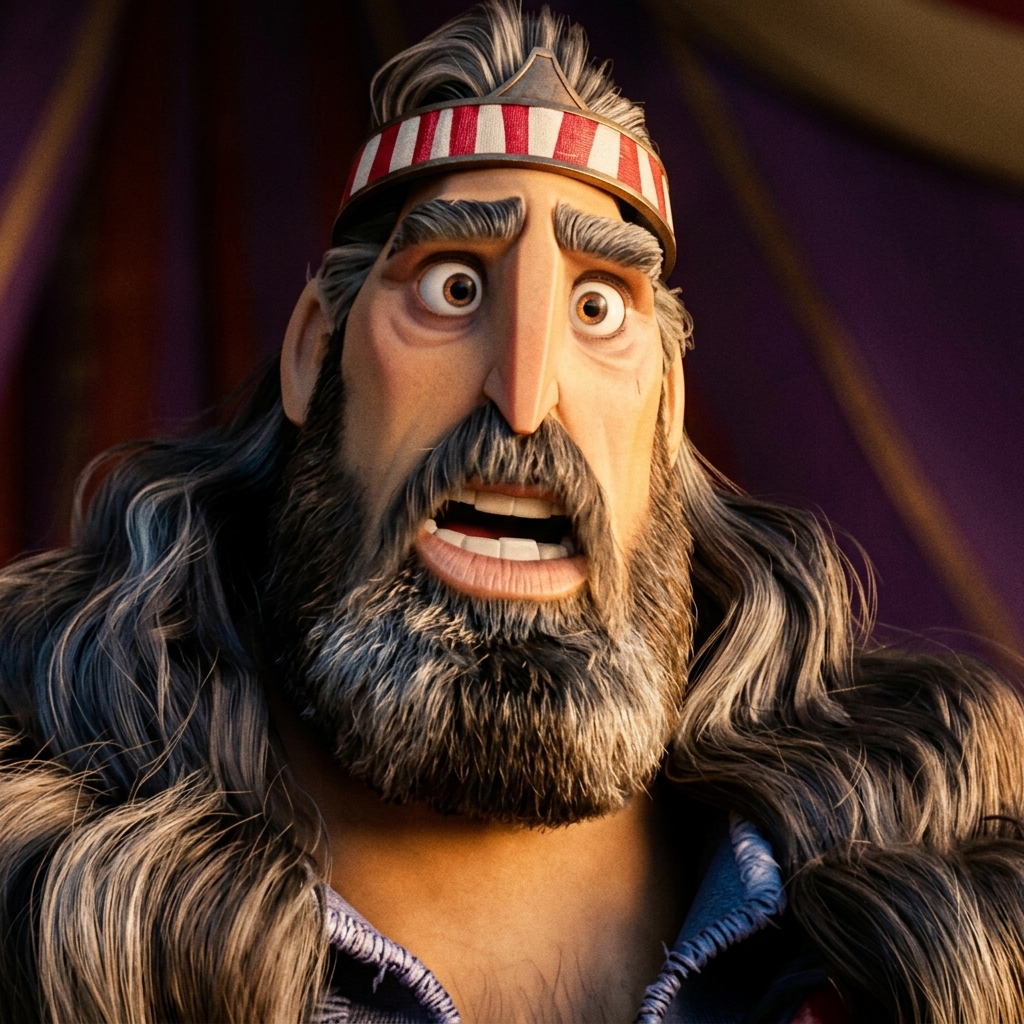
The story of David and Goliath is approximately three thousand years old. Every person reading this already knows how it ends. The shepherd boy wins. The giant falls. And yet David, Angel Studios’ animated biblical epic, arrived on Netflix on June 3rd and is already the number one film in the United States.
It spent the 2025 holiday season breaking records at the box office. It has now found a second, larger audience on streaming. There is something worth sitting with in that — the idea that an old story does not become obsolete. It just becomes more available.
The Studio That Built This
Angel Studios occupies an unusual position in American entertainment. They are independent, faith-based, and crowdfunded — and they keep producing films that outperform every reasonable expectation. Sound of Freedom, their 2023 drama starring Jim Caviezel, grossed over $250 million worldwide on a $14 million budget. The Chosen became the most-watched independently produced video series in history. Angel Studios does not make blockbusters by conventional industry logic. They make films for an audience that major studios have consistently underestimated, and they do it with enough craft and sincerity that the audience responds in force.
David is their most ambitious project yet. The film grossed $22 million in its opening weekend, becoming the highest-grossing faith-based animated opening of all time, and cleared $87.5 million worldwide by the end of its theatrical run. Those numbers are not a coincidence. They reflect a studio that understands its audience better than anyone else in the room.
What the Film Gets Right
Directors Phil Cunningham and Brent Dawes have made something more complete than the single-scene adaptation the title might suggest. The story moves through David’s life with genuine scope — his years as a shepherd in the hills outside Bethlehem, his unlikely arrival at King Saul’s court, his friendship with Jonathan, the confrontation in the Valley of Elah, and the complicated years that followed. This is not just the boy-beats-giant story. It is a portrait of someone who spends most of his life being told, in various ways, that he is not the right person for what he is clearly meant to do. That is a story with range, and the film makes use of every inch of it.
The animation lands solidly in the DreamWorks register — expressive, detailed, cinematically lit. It does not have the technical restlessness of a Pixar production, but there are sequences that earn real visual beauty: a night scene where David plays the harp for a tormented King Saul, the scale of the Valley of Elah captured in full, an early pastoral stretch that makes Judea feel real before the story asks so much of it. Phil Wickham voices the adult David with warmth and without bombast. Lauren Daigle’s contributions to the score give the musical sequences a quality that faith-based productions do not always reach — the songs feel like extensions of character, which is a harder thing to pull off than it looks.
The film also earned an A CinemaScore, which reflects how completely it delivers on its promise to its intended audience. That audience, evidenced by a 98% Rotten Tomatoes audience score, responded with a level of enthusiasm that is difficult to manufacture.
Where It Pulls in Two Directions
The critic score tells a different story — 70% on Rotten Tomatoes, which is positive but noticeably cooler than the audience reception. Some of that gap is predictable: secular critics tend to find the explicitly evangelical register uncomfortable, and that discomfort shows in the language of their reviews. But some of it is fair. The film takes creative liberties with the Books of Samuel that will register as odd to anyone who knows the source material closely. And there are moments where the tone pulls in two directions at once — a children’s animated musical on one side, a sincere theological statement on the other — and the film does not always resolve the tension cleanly. A scene that wants to be both genuinely moving and broadly accessible sometimes ends up being neither.
This is not a fatal flaw. But it is the most visible seam in an otherwise carefully made film.
Why It’s Number One Right Now
The audience for content that takes faith seriously, is made with care, and does not ask viewers to choose between quality and conviction — that audience is larger than the major studios have historically been willing to acknowledge. Angel Studios has understood this for years. David is the clearest expression of that understanding yet.
It arrived on Netflix two days ago. It is already at the top of the chart. The film is not a masterpiece, and it does not need to be. It is honest about what it is, made with real care, and it speaks directly to the people it was made for. That combination, it turns out, travels.