Michael Jackson: The Verdict Preview — Netflix Goes Where the Biopic Wouldn't


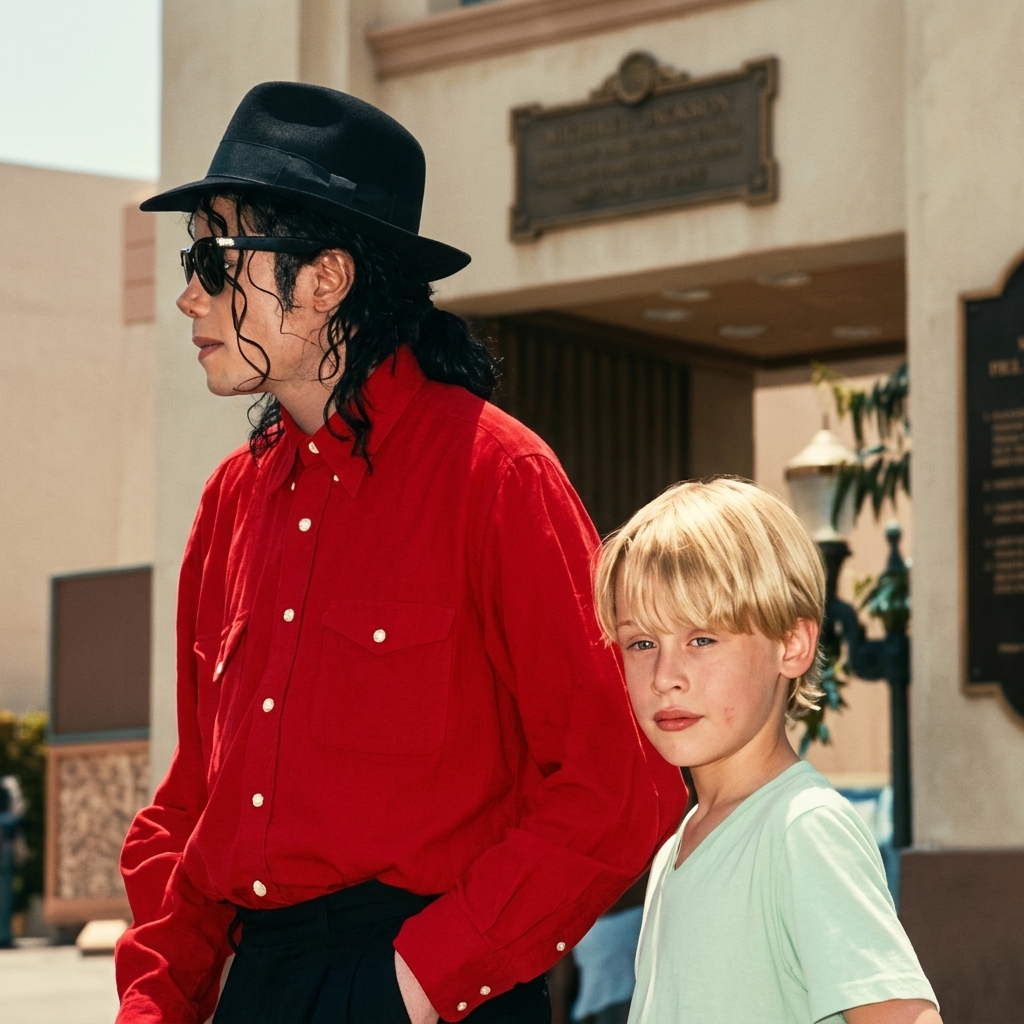
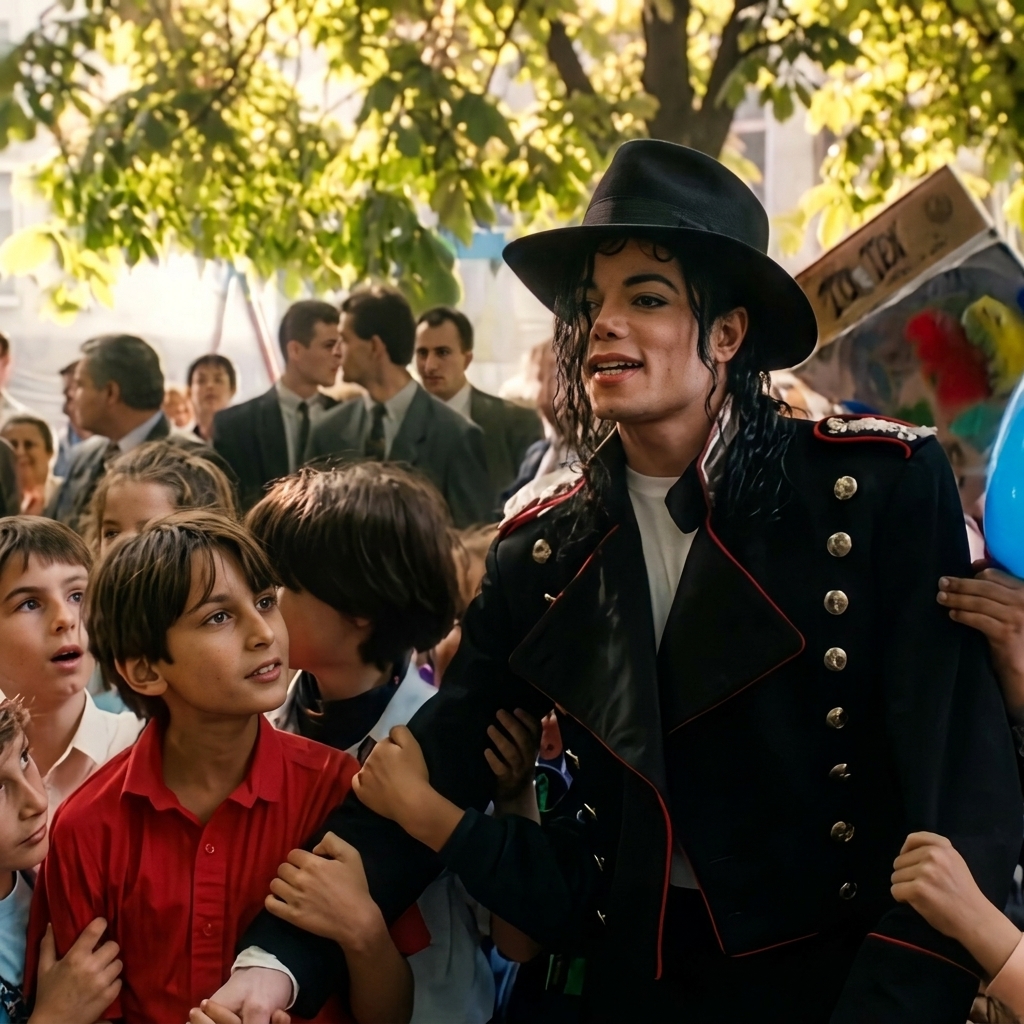
The Michael Jackson biopic that dominated box offices earlier this year made a choice that everyone noticed: it told the story of the music, the performances, the rise, and mostly stepped around the trial. That choice was a commercial calculation as much as a creative one, and it worked. But it left something unresolved, which is the same something that has been unresolved for twenty years.


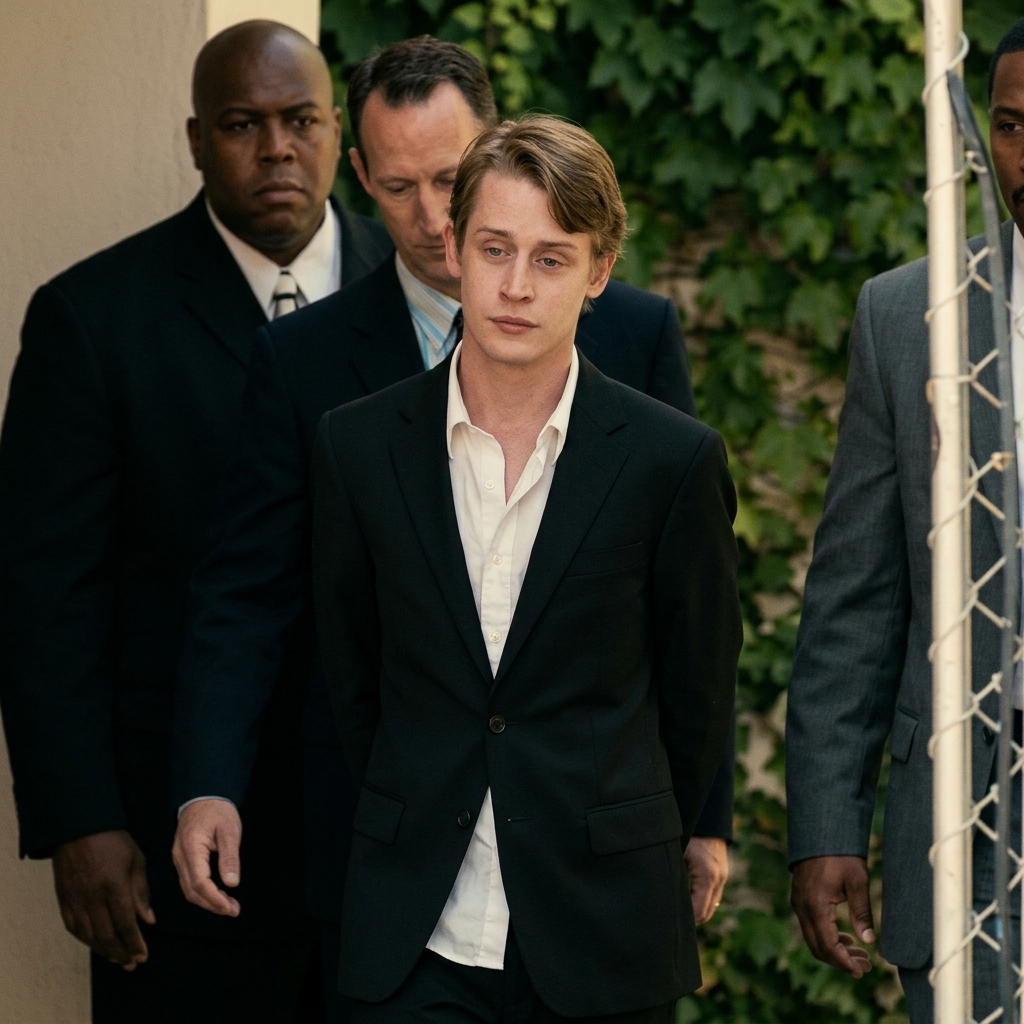
Netflix's Michael Jackson: The Verdict, a three-part docuseries premiering June 3, goes where the biopic wouldn't. It walks directly into the 2005 criminal trial — the child molestation charges, the courtroom proceedings, the acquittal on all counts — and attempts something that, remarkably, hasn't been done properly before: a reconstruction of the trial from the people who were actually inside the room.


<The Trial the Cameras Were Never Allowed Inside>

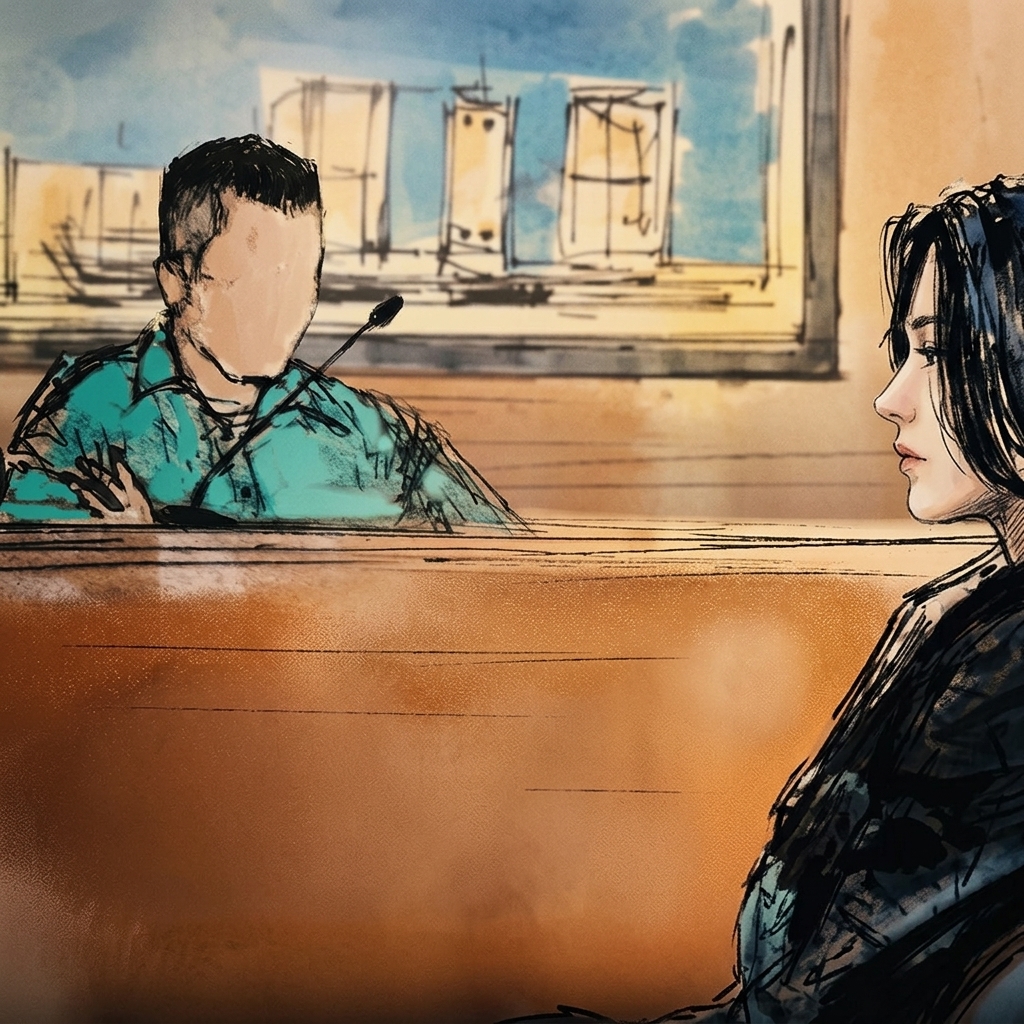
Here is the fact that makes this docuseries worth paying attention to regardless of where you stand on Jackson's legacy: no cameras were permitted inside that courtroom. The trial that most people think they watched — the one that became a global media event in 2005 — was never actually seen. What the public received was filtered through reporters standing outside, commentators filling airtime, and the kind of coverage that treats a verdict as a story before the jury has returned.
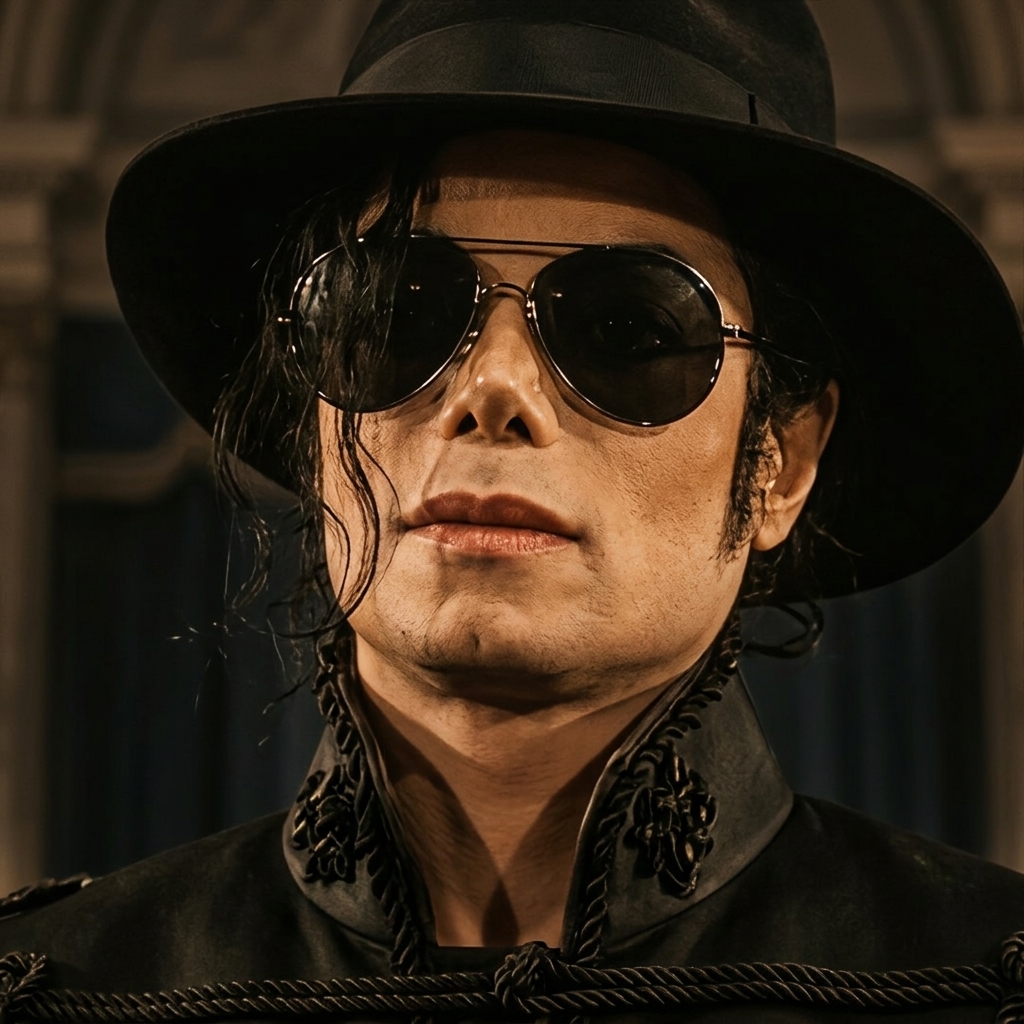


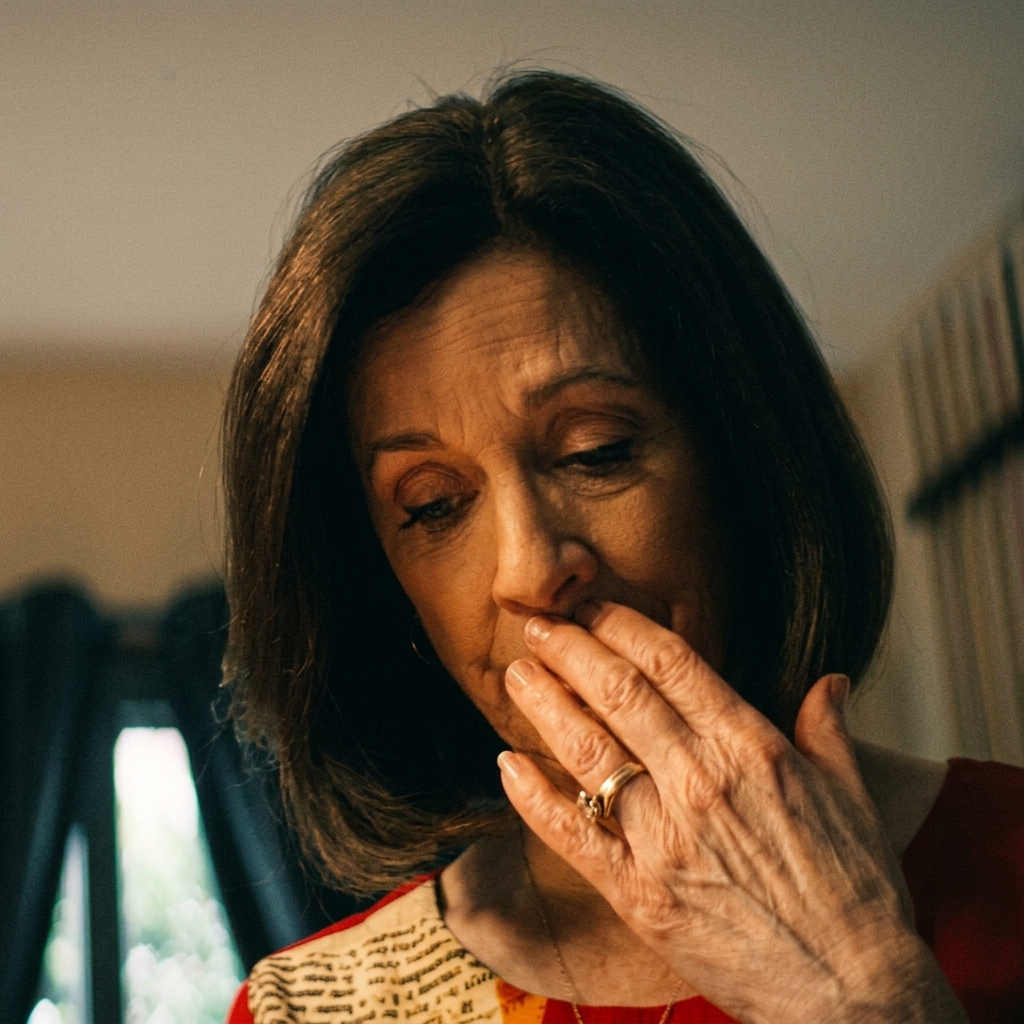
Director Nick Green and showrunner David Herman have built the series around the people who were present: jurors who deliberated for nearly thirty hours before returning not guilty on all counts, eyewitnesses, journalists who covered the proceedings, and individuals connected to both the prosecution and defense. Their stated approach is straightforward — present the facts as they unfolded in court, through the accounts of those who witnessed them firsthand. No reconstruction through archival commentary. No narrative imposed over the evidence. Just the people who were there.
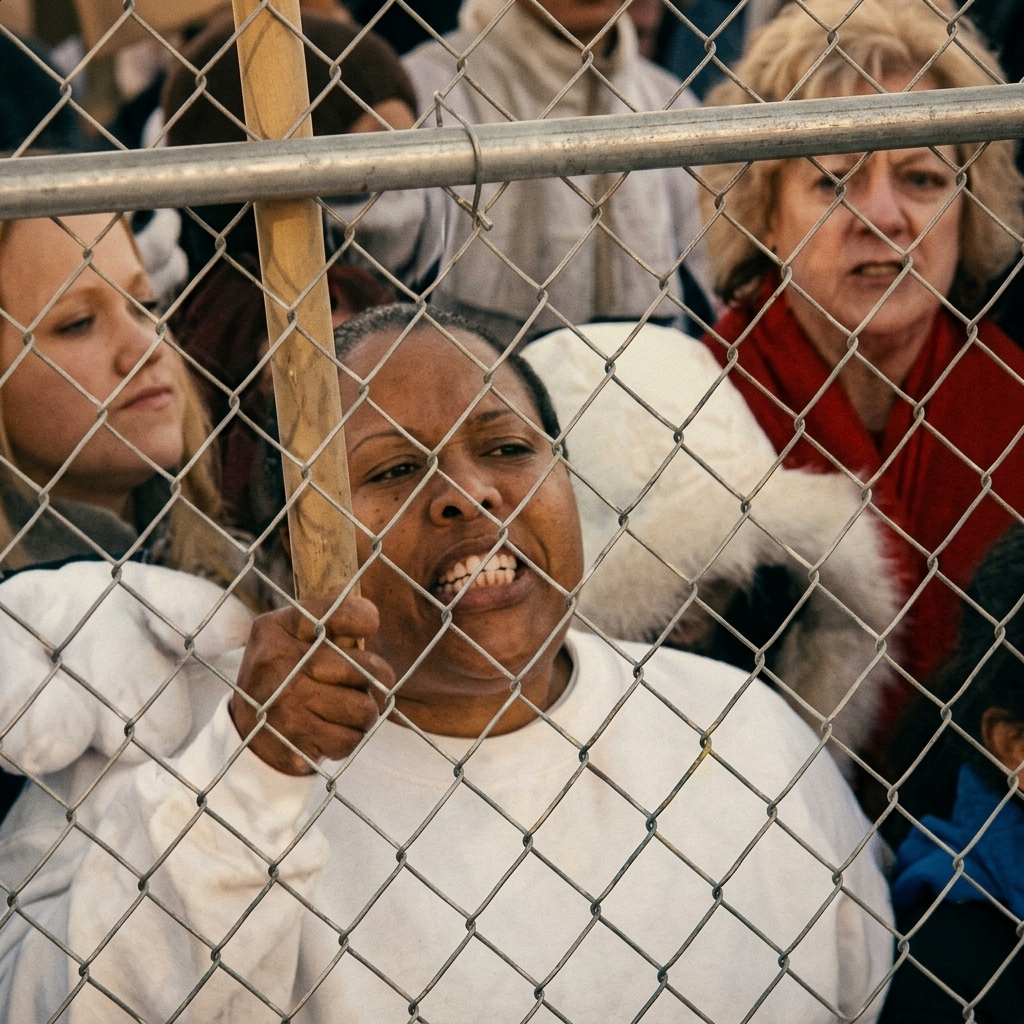
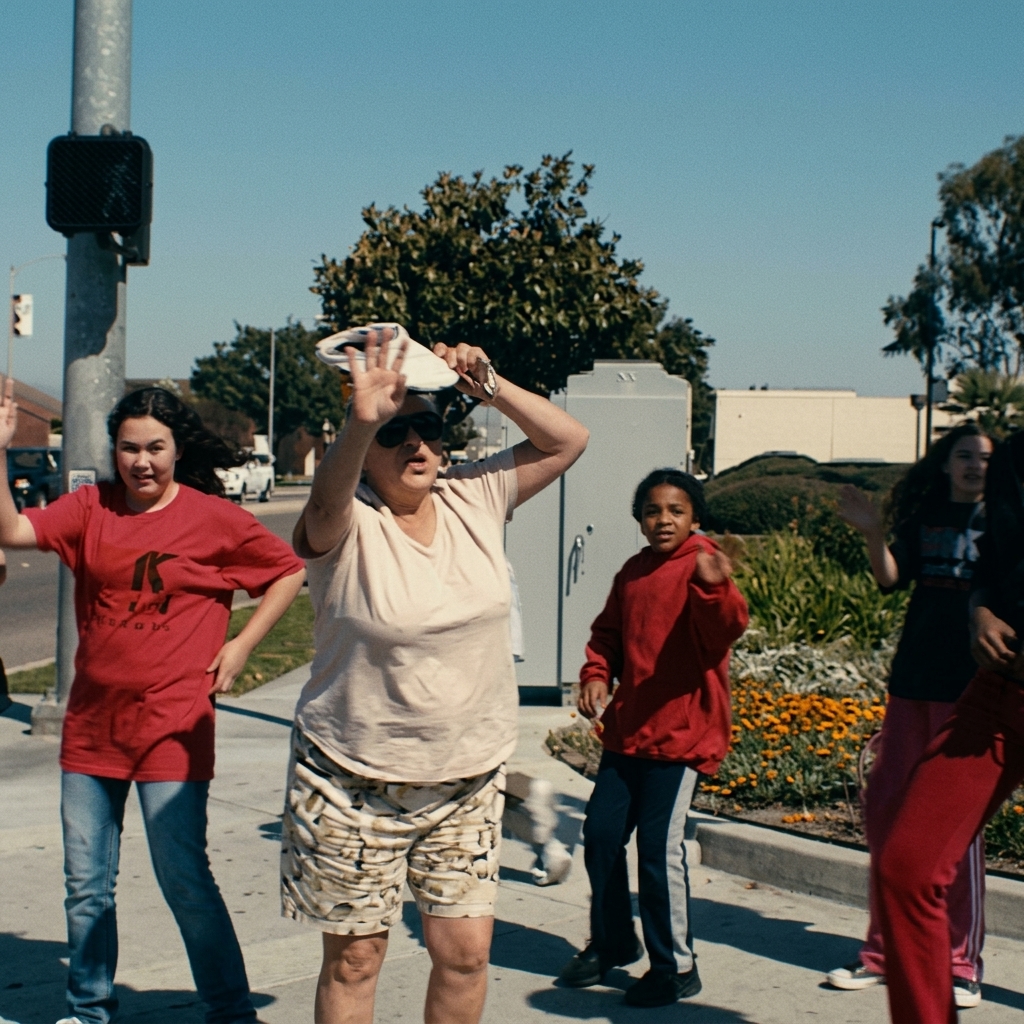

The jury on that original trial voted nine to three for acquittal on the first ballot. By the time they returned their final verdict, it was unanimous. That detail tends to get lost in how the trial is remembered.



<Why This Lands in 2026>

Michael Jackson died in 2009. The trial ended in 2005. Leaving Neverland, the HBO documentary that presented detailed abuse allegations from two men who had previously defended Jackson, aired in 2019. The cultural conversation about his legacy has been actively unresolved ever since — cycling through accusations, defenses, streaming platform decisions about his music, and now a major biographical film that chose not to engage with any of it directly.
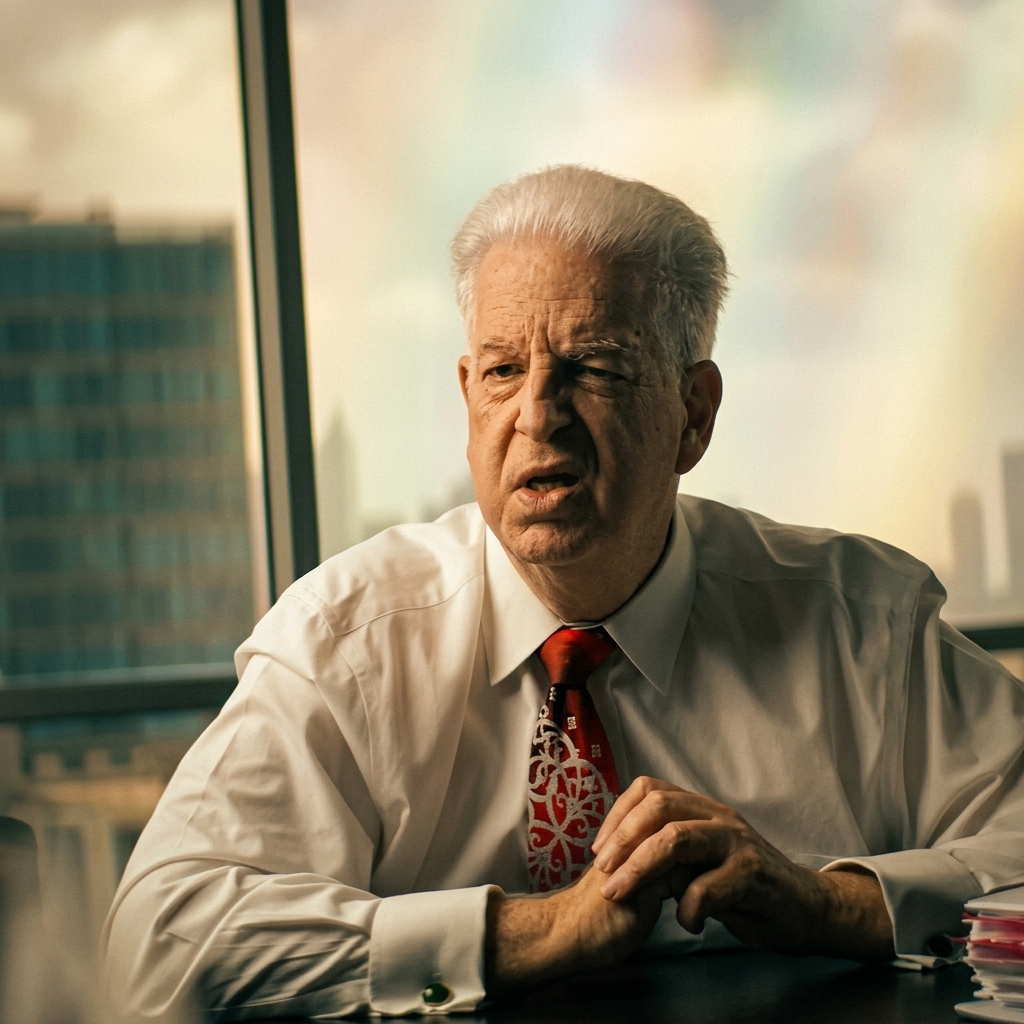
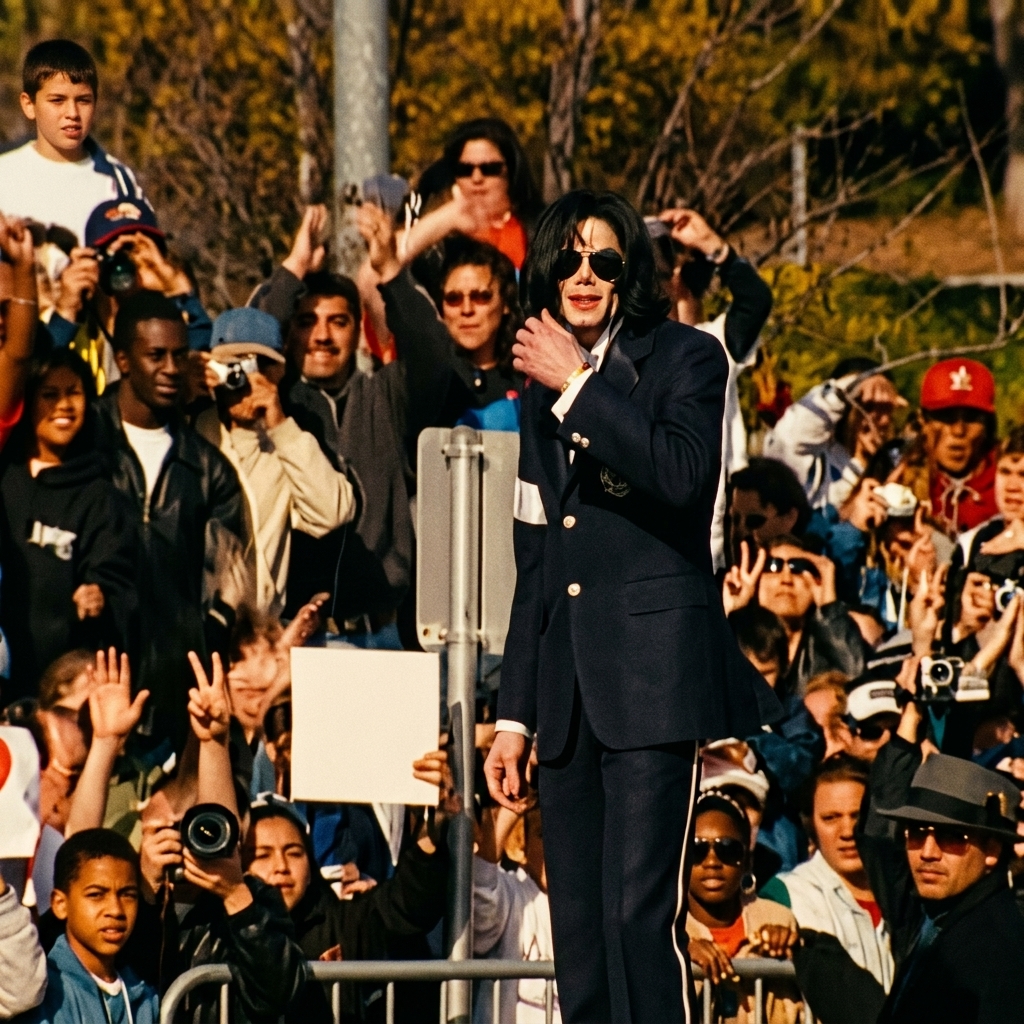
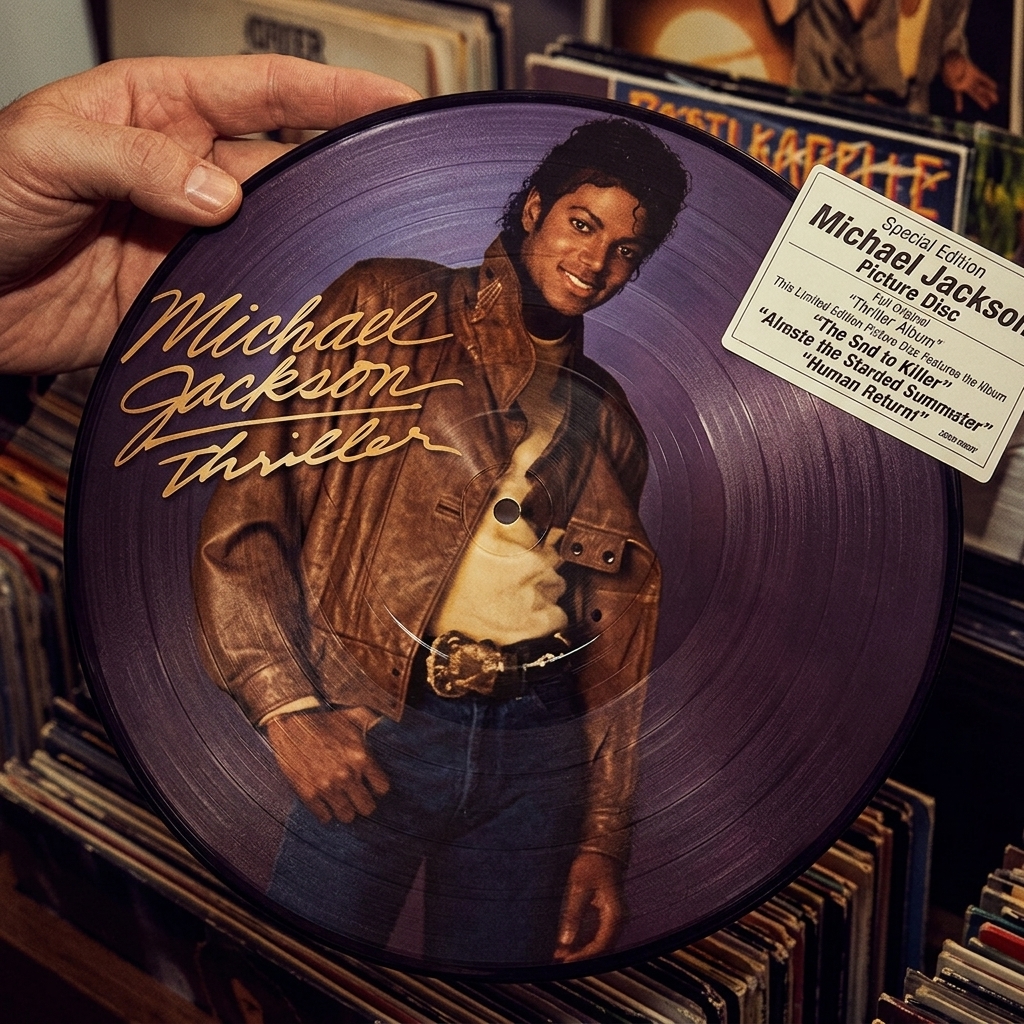
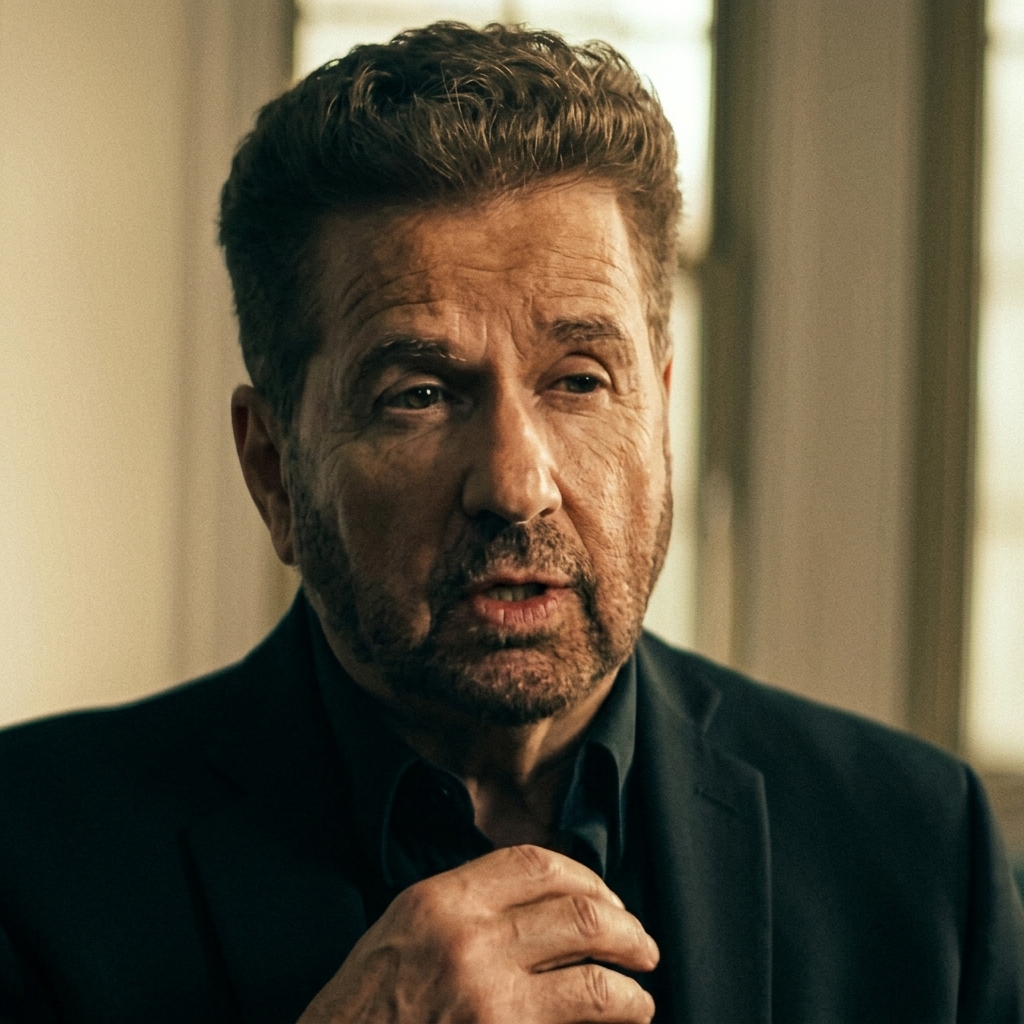
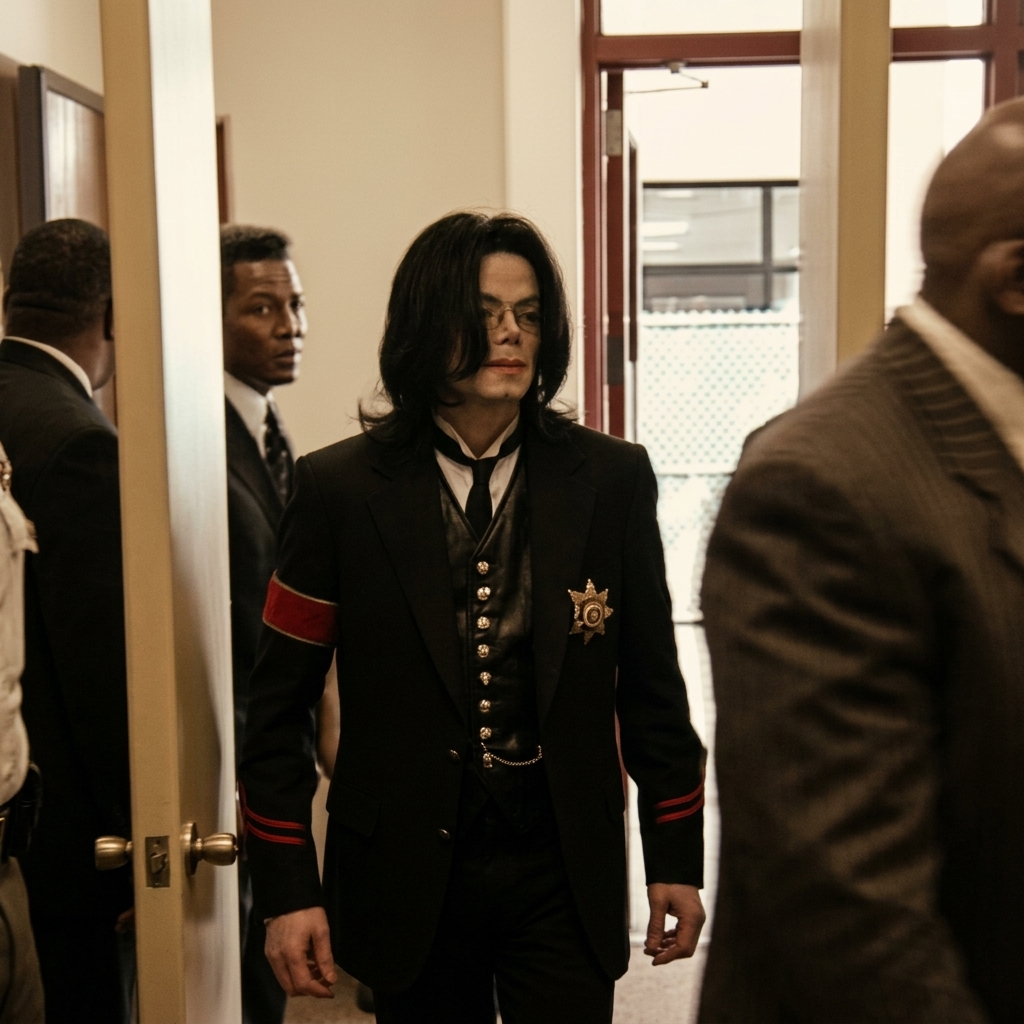
The Verdict arrives into that specific moment. It isn't a response to Leaving Neverland, and it isn't an exoneration document — at least not from what the trailer suggests. It's positioned as a historical account of a legal proceeding: what was charged, what was argued, what the evidence showed, and what twelve jurors decided after hearing all of it. That framing is either disciplined restraint or deliberate limitation, and the three episodes will determine which.


Twenty years is long enough for the emotional temperature around a case to shift toward something more analytical. The people who covered it in 2005 were working in a media environment that treated Jackson's guilt as presumed. Some of them are interviewed here. Whether they say so directly will be one of the more interesting things to watch.


<What I'm Looking For on June 3>


The question I'm bringing to this series isn't whether Michael Jackson was guilty or innocent. The jury answered that in 2005. The question I'm interested in is a different one: how did a trial that ended in acquittal on every count become culturally remembered as something murkier than that? What happened in the space between the verdict and the public's reception of it?


That gap — between what the law concluded and what culture decided to believe — is where the most interesting documentary territory lives. If The Verdict has the nerve to examine that gap directly, it will be more significant than another MJ documentary. If it retreats into the safety of "both sides," it will be a missed opportunity dressed up as evenhandedness.

We find out June 3. I'll have a full review up shortly after.

Comments

Popular posts from this blog

The WONDERfools Ending Explained — And Why Park Eun-bin Makes It Land

The Witness Netflix Preview — The Rachel Nickell Case Finally Gets the Story It Deserved