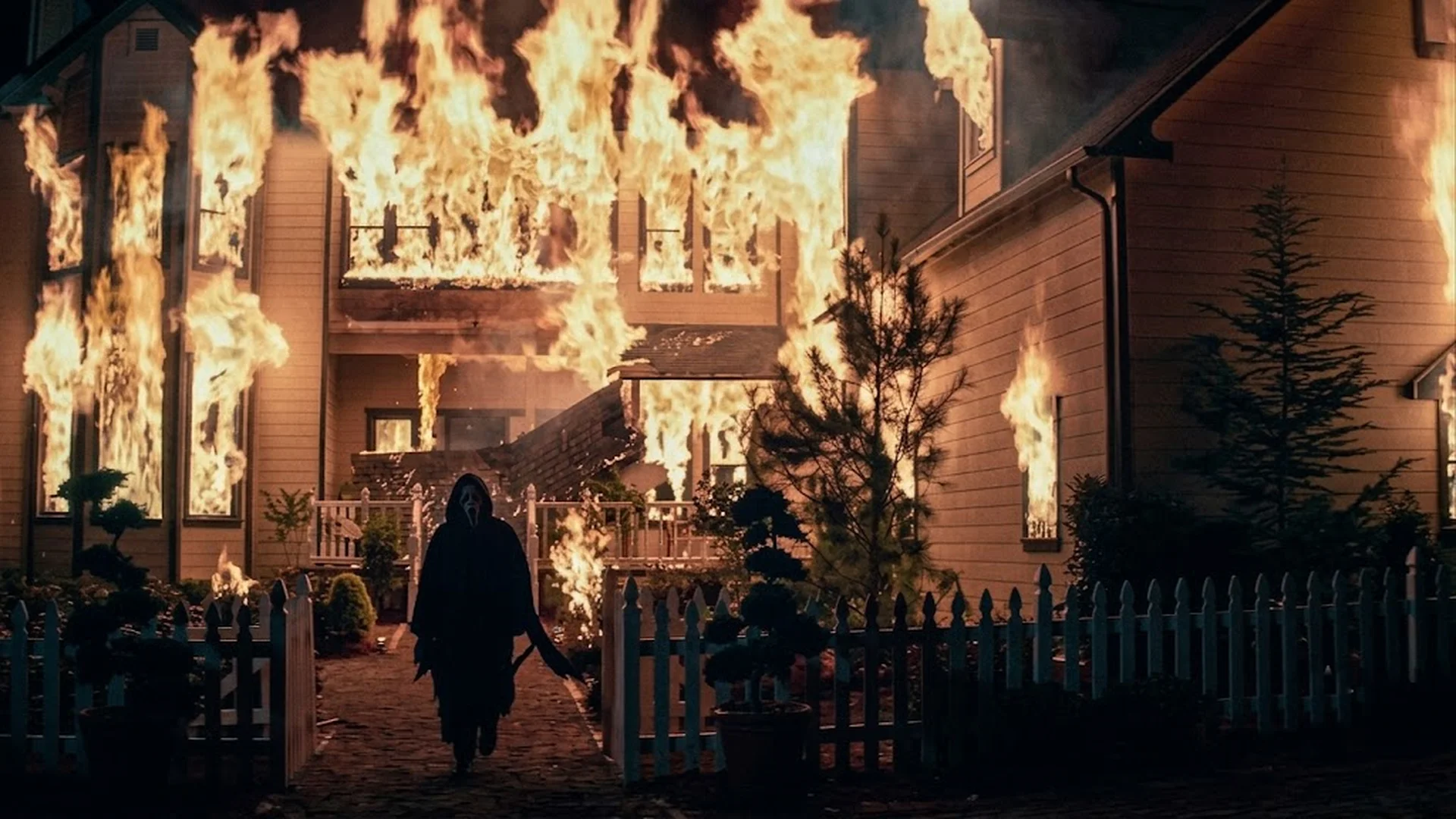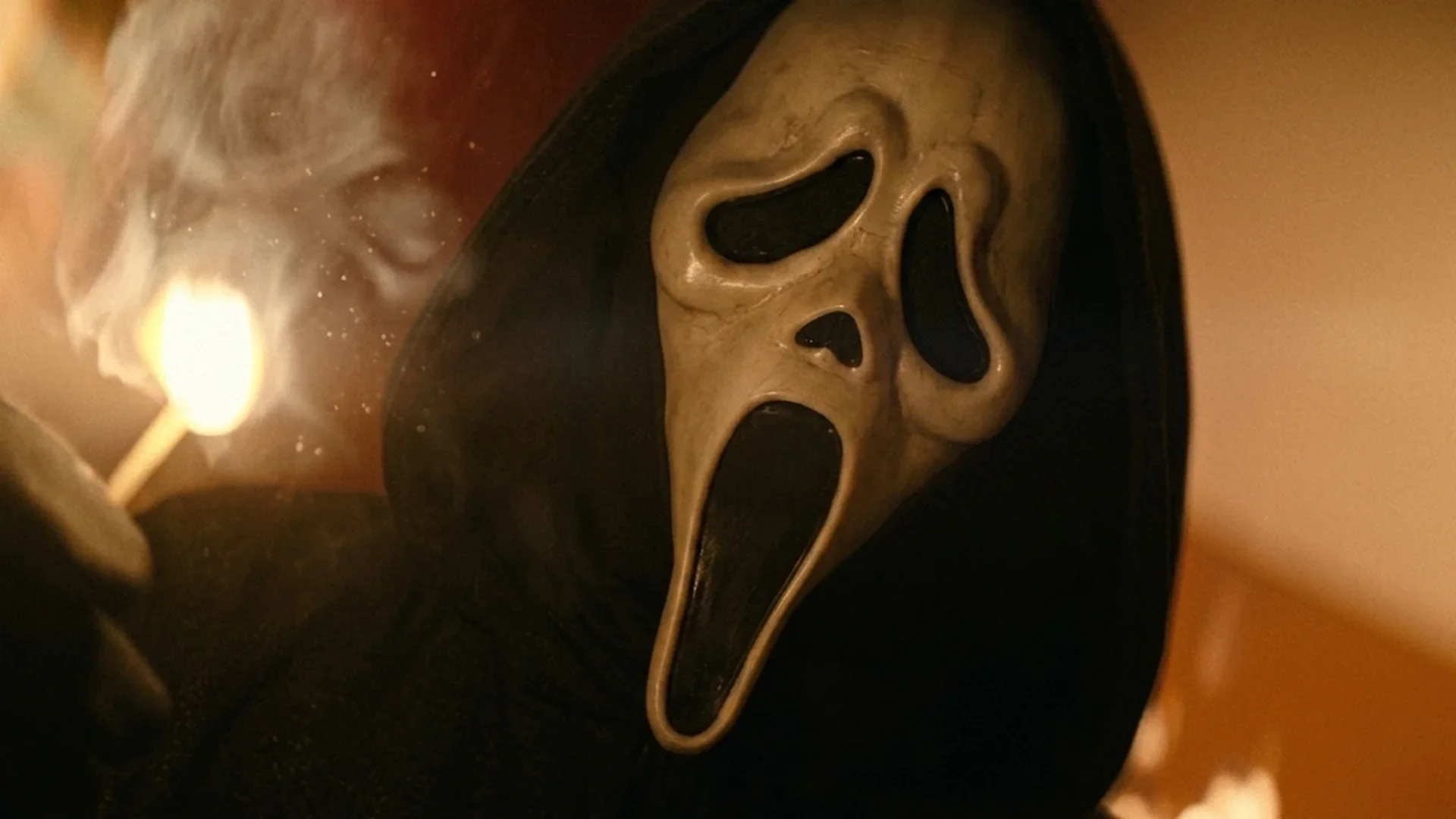
Every Scream movie holds up a mirror to the horror of its moment. The 1996 original mocked the rules of the slasher while obeying every one of them. The recent requels went after legacy sequels and the possessive fans who guard them. Scream 7 reaches for the sharpest idea the series has had in years, a Ghostface who uses AI to bring back the dead, and it is worth walking through what actually happens. Sidney Prescott (Neve Campbell) has retired to a small town in Indiana with a husband and a teenage daughter when the video calls begin: Stu Macher, the killer she watched die in 1996, his face rebuilt by deepfake down to the old scars. Here is who is under the mask, who lives, and why the ending should rattle you more than it does.
Who Is Behind the Mask This Time
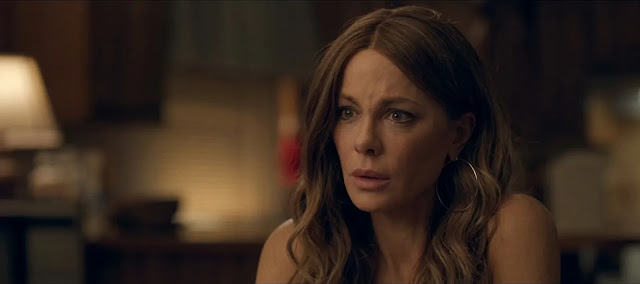
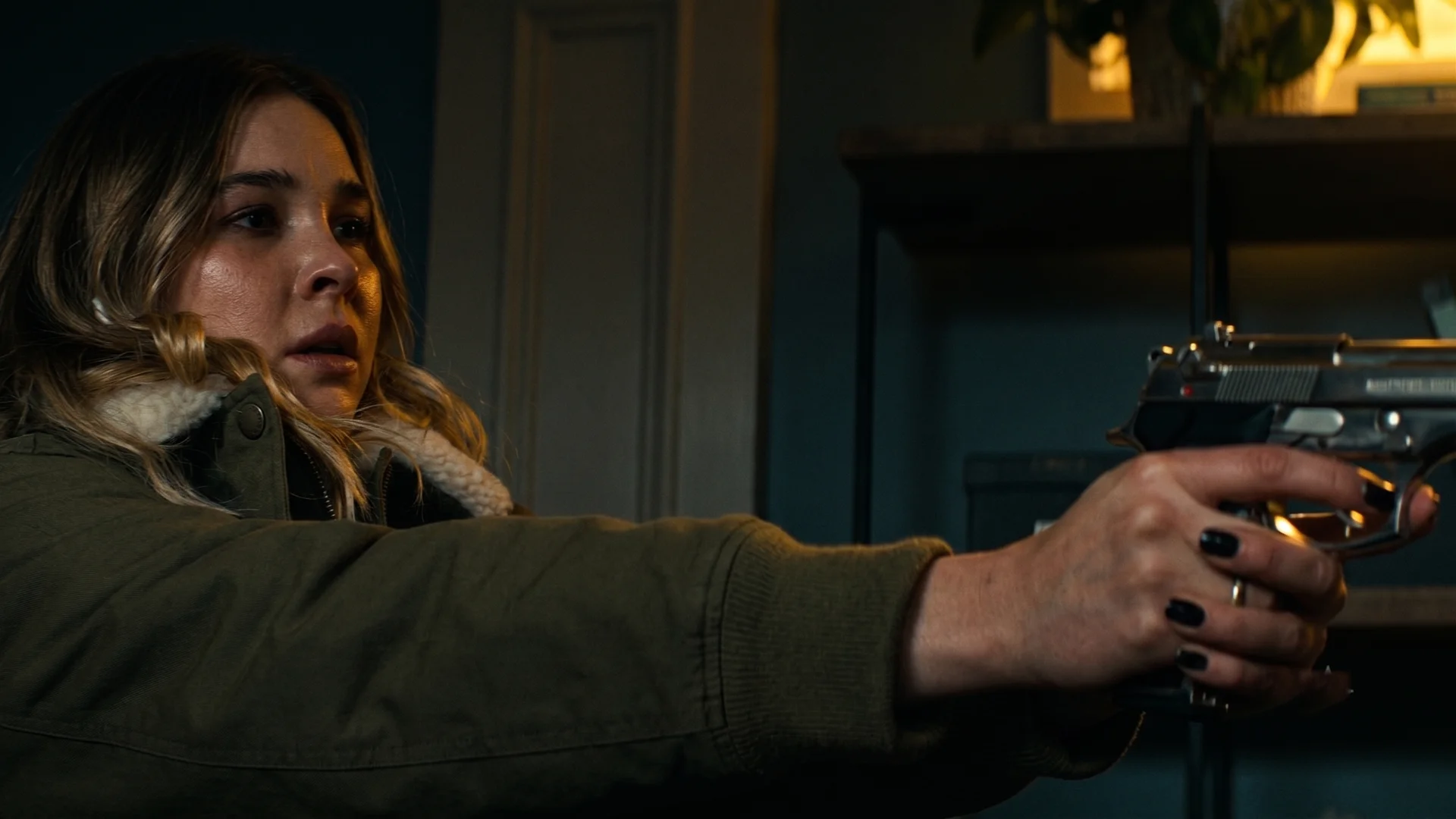
As always there is more than one Ghostface, and the reveal names three. The mastermind is Jessica, Sidney’s warm and unremarkable neighbor, the kind of friend nobody suspects. She works with Marco, a psychiatric orderly with a background in tech, and Karl Gibbs, a killer obsessed with the in-universe Stab movies that turned Sidney’s life into entertainment. Their real target is not Sidney. It is Tatum (Isabel May), her teenage daughter, whom they want to break and remake into the next Ghostface, a legacy passed down like a family curse.
Karl is the film’s sourest joke, a fan who loves the Stab movies so much that he wants to make a real one, which is the franchise turning its own most obsessive viewers into the threat.
Between them they split the classic Ghostface jobs: one plans, one kills, one builds. It is the same division of labor another horror sequel this year used to skewer its own rules, and Scream 7 keeps the machinery even when the wit runs thin.
The Deepfake That Brings Back the Dead
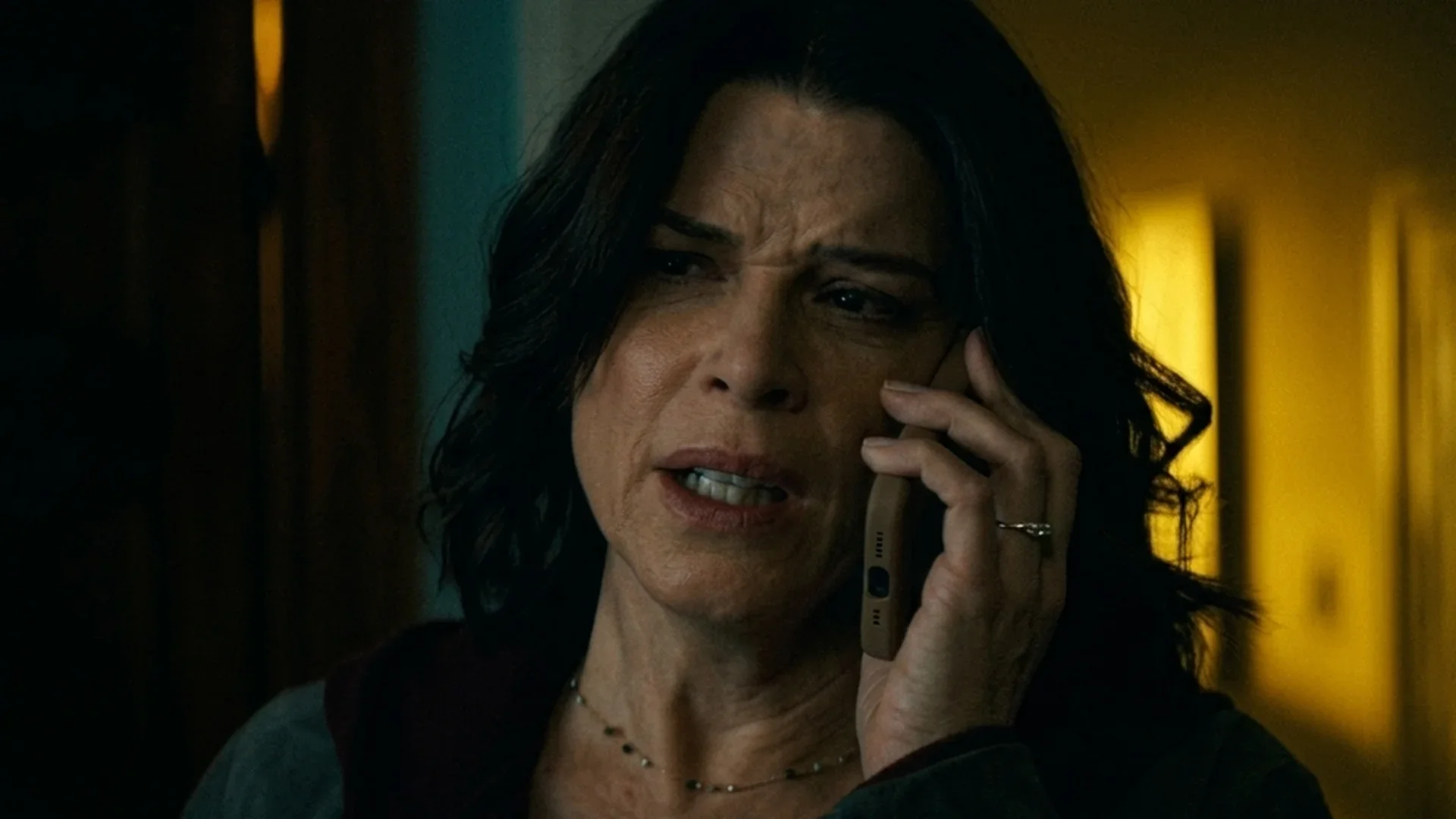
The idea that gives Scream 7 its charge is Marco’s. Using AI tools, he builds an interface that lets Ghostface resurrect the franchise’s dead as deepfakes: Stu Macher (Matthew Lillard, scarred exactly as the television left him in 1996), along with Nancy Loomis and Roman Bridger, some of Sidney’s oldest tormentors. They call her on video, they speak in the voices she buried, and for a while the movie is at its most frightening, because it has found a new place for the old wound to live. Sidney spent a lifetime surviving these people. Now they are back as software, and you cannot stab software. What unsettles is how ordinary the method is. There is no dark ritual here, only a man with a grudge and a program anyone can now download. The movie understands, at least for a scene or two, that this is the modern shape of a ghost: not a spirit that lingers, but a file that copies.
Who Dies, and How It Ends
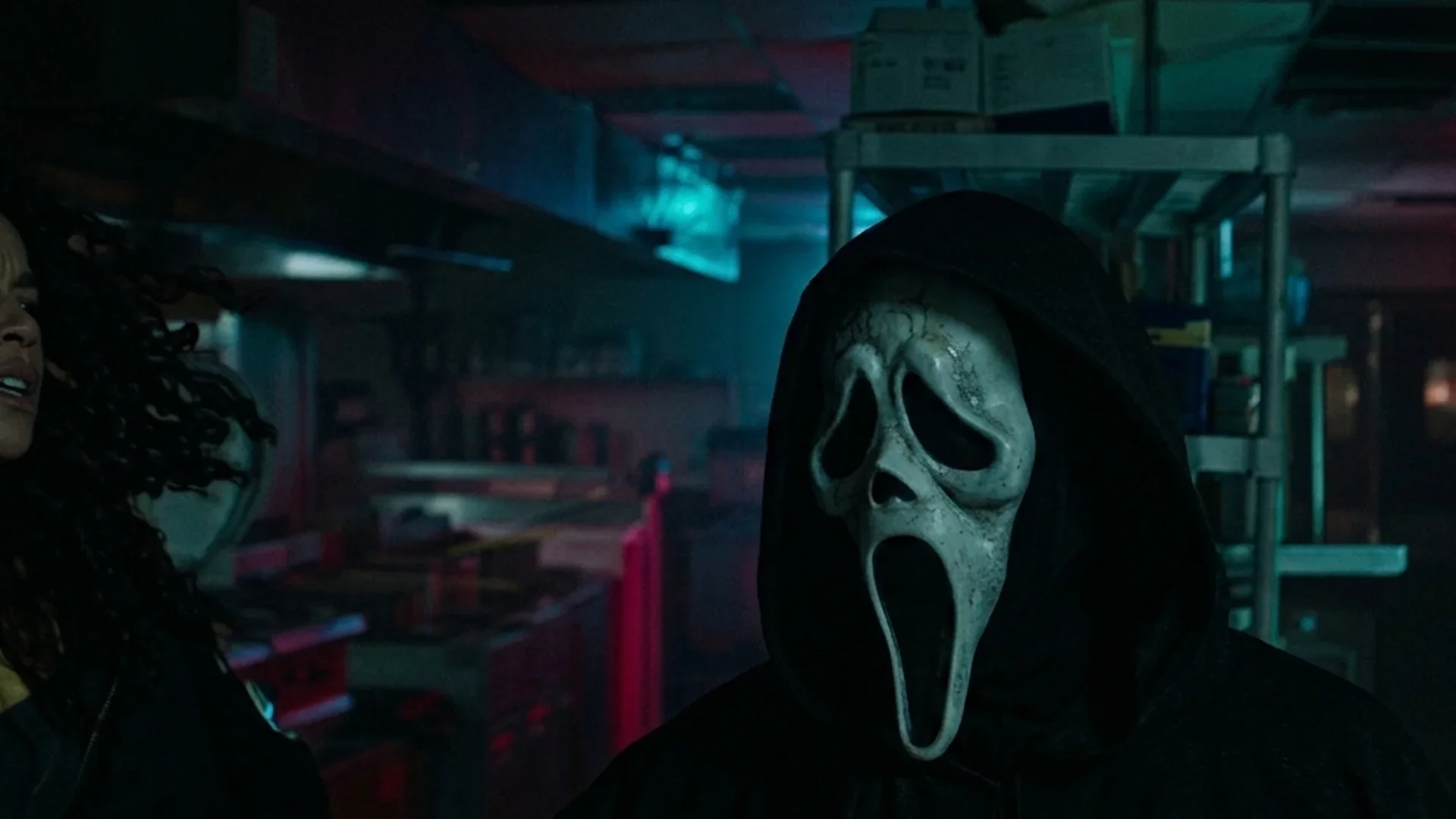
The body count runs high and fast, the way it always does. The killers pick off Sidney’s circle to isolate her and Tatum, staging the deepfake Stu as the supposed mastermind to keep everyone looking the wrong way. Sidney’s husband Mark (Joel McHale) and the friends who gather to protect the family are cut down one by one, the series doing what it has always done: clearing the board of anyone who stands between Ghostface and its chosen final girl. When the masks finally come off at the standard third-act house, Jessica lays out the plan: Tatum was meant to inherit Ghostface, willing or not.
It does not take. Sidney and Tatum fight back together, and the film’s best instinct is to let the daughter refuse the inheritance rather than fulfill it. They put the last killer down for good, mother and daughter side by side. Sidney survives again, older and wearier, and the digital ghosts go dark with the man who ran them. The mother-daughter core is the part even the mixed reviews agreed worked, and it is the reason the ending lands at all.
The Dead Who Will Not Stay Dead
This is the idea the movie almost fully grasps. Scream has always been about how we consume horror, and in 2026 the most frightening thing it can point at is a technology that refuses to let anything stay buried. Ghostface used to be a person in a costume. Now Ghostface is an interface, and the violation is not the knife but the theft of a dead person’s face and voice to reopen a wound. Sidney’s trauma is no longer a memory she controls. Someone else can generate it on demand.
It is the same move a smaller horror film pulled this year, where the terror was never the monster on the screen. Scream 7 is not a good movie, and the reviews are right that it is rushed and murky and often clumsy. I still think it is worth seeing for that one live nerve, the dread that the people we lose can be counterfeited and turned against us. Whether the franchise follows that thread or falls back on another masked teenager will decide if there is a Scream 8 worth making.